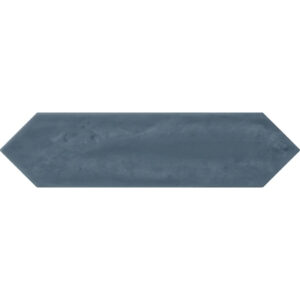
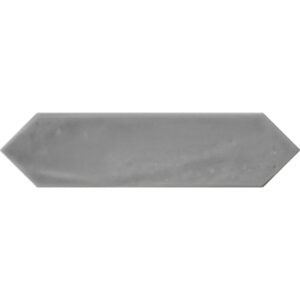
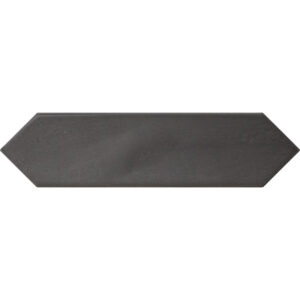
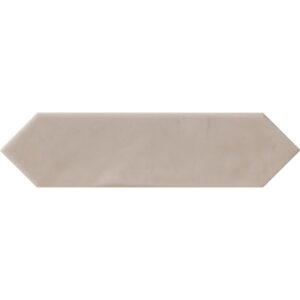
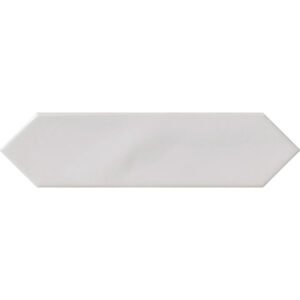
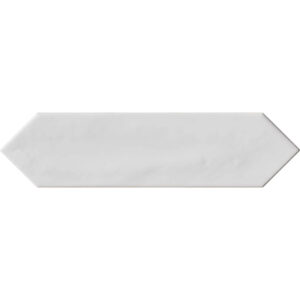
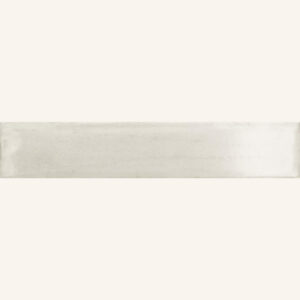
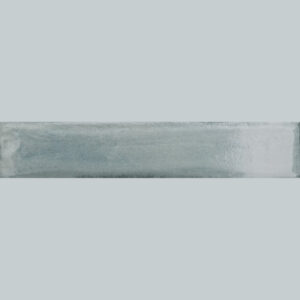
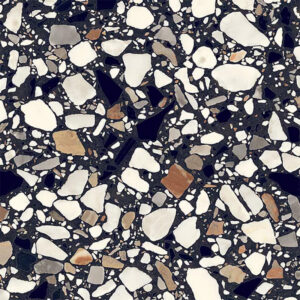
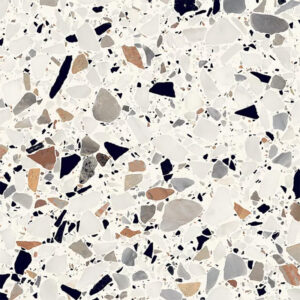
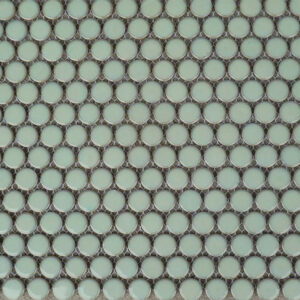
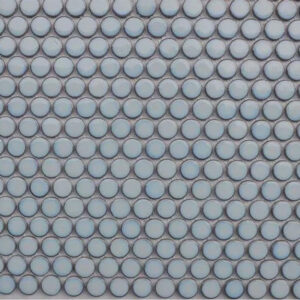
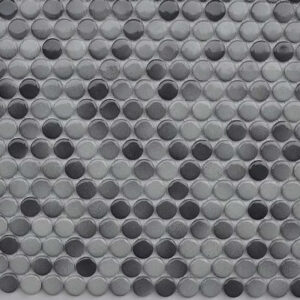
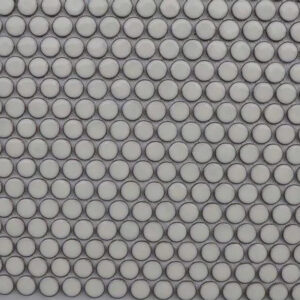
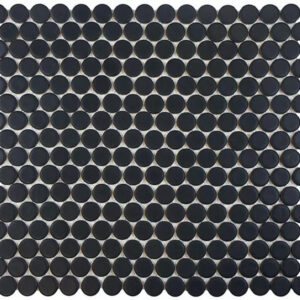
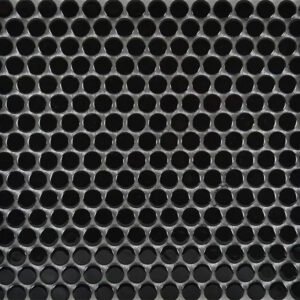
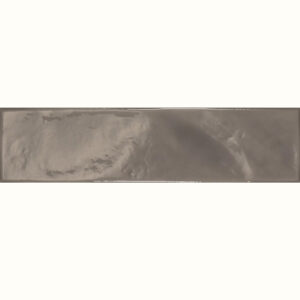
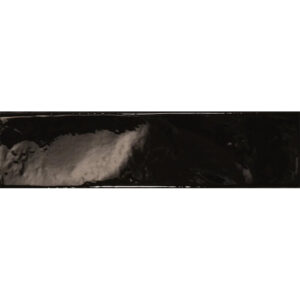
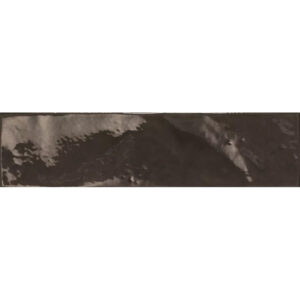
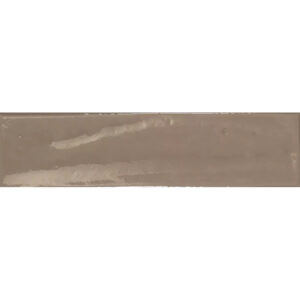
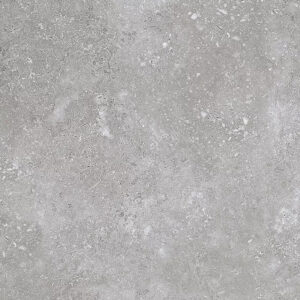
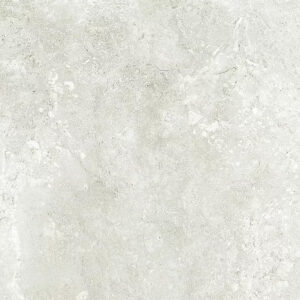
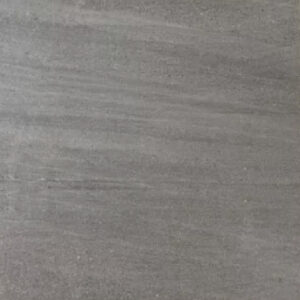
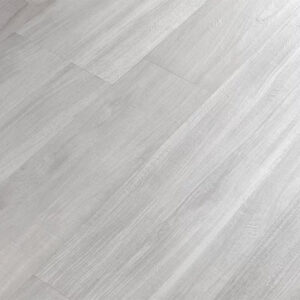
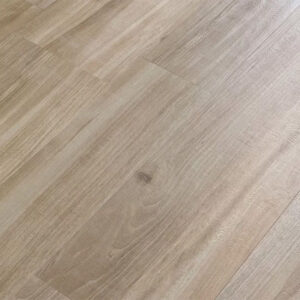
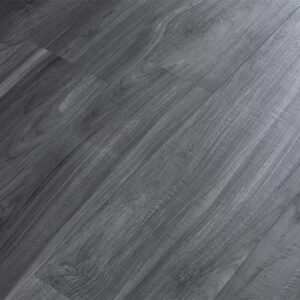
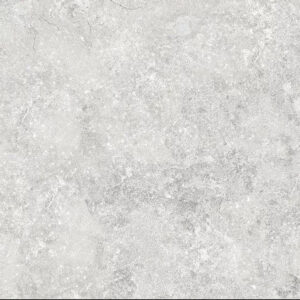
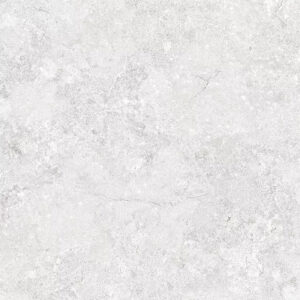
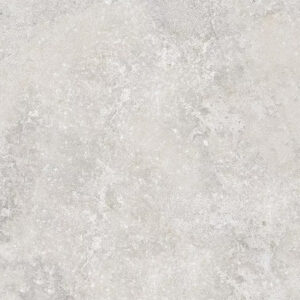
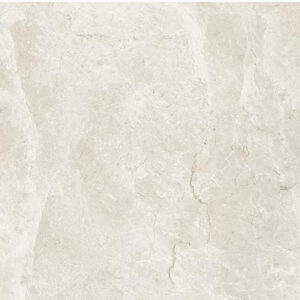
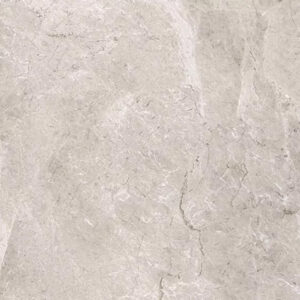
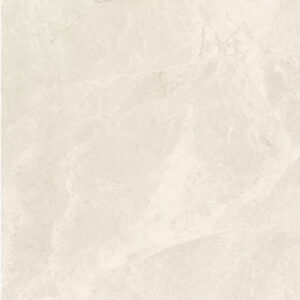
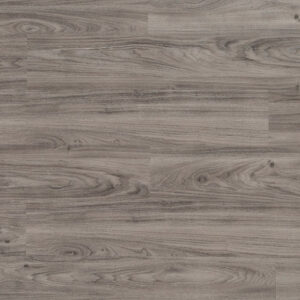
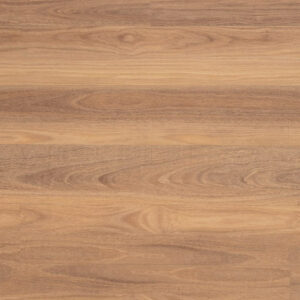
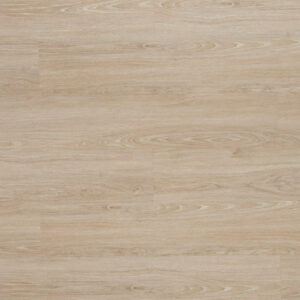
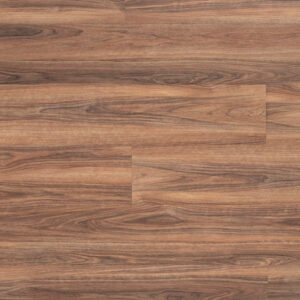
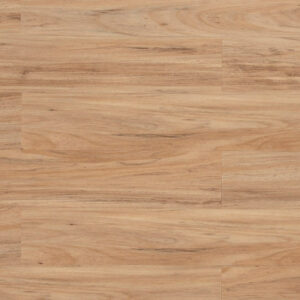
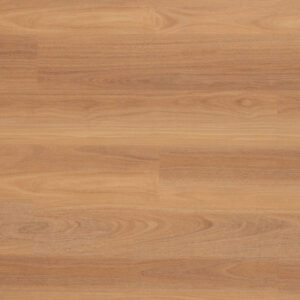
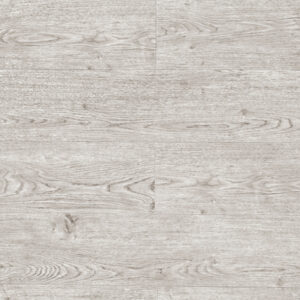
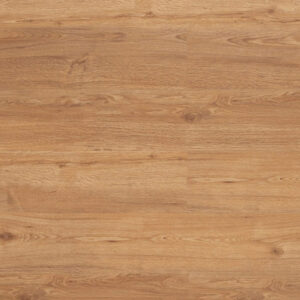
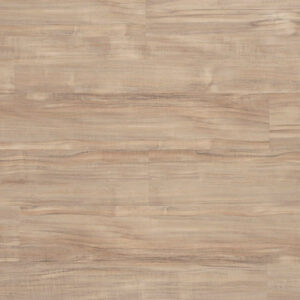
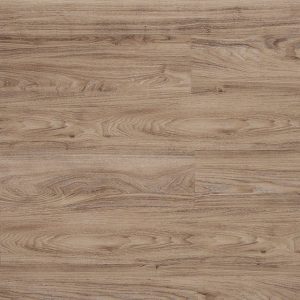
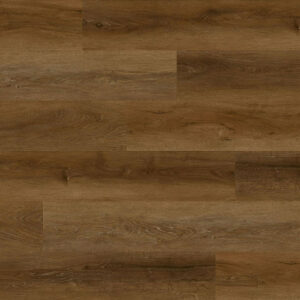
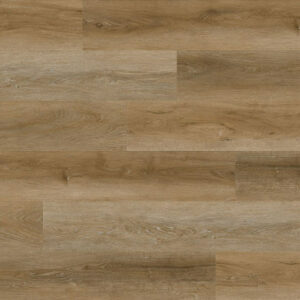
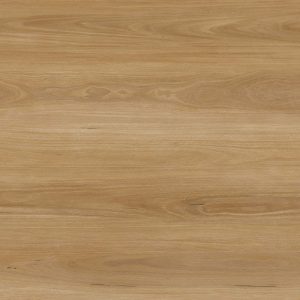
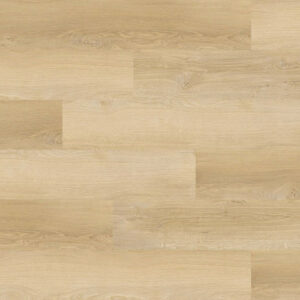
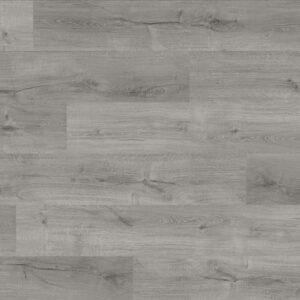
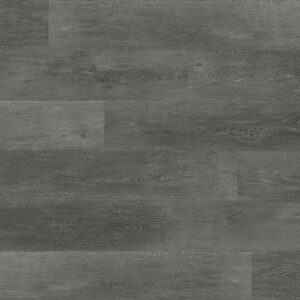
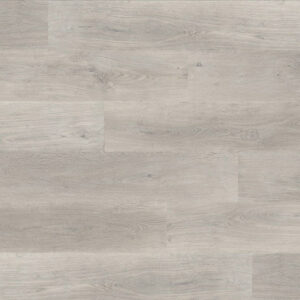
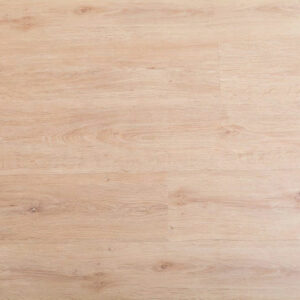
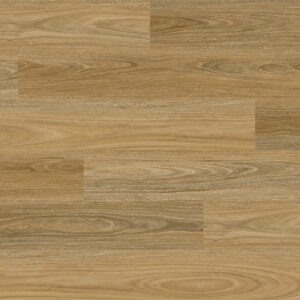
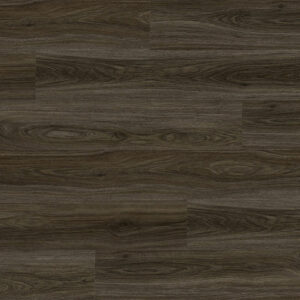
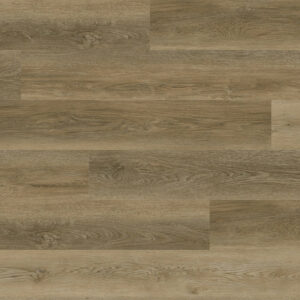
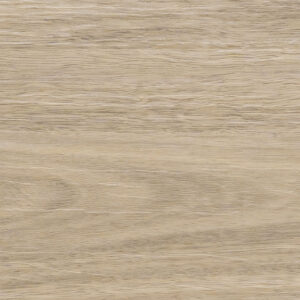
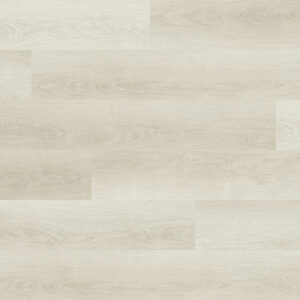
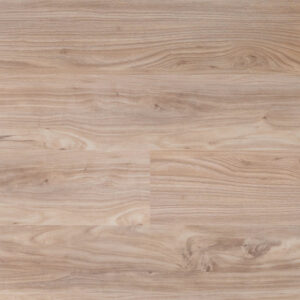
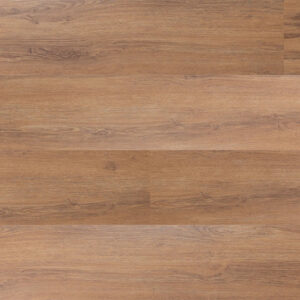
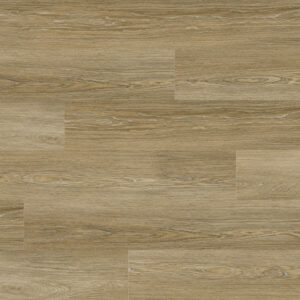
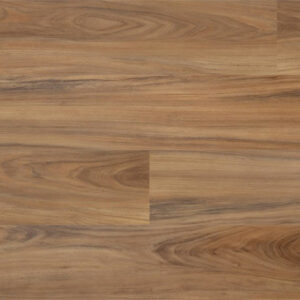
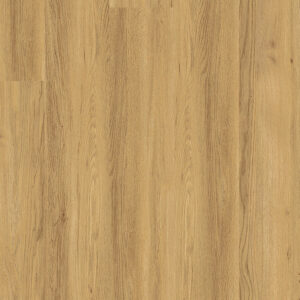
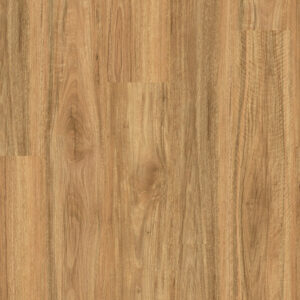
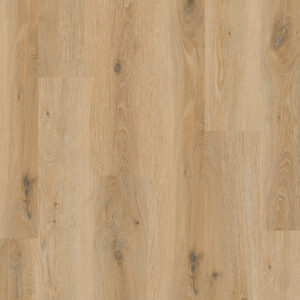
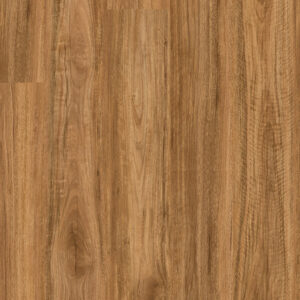
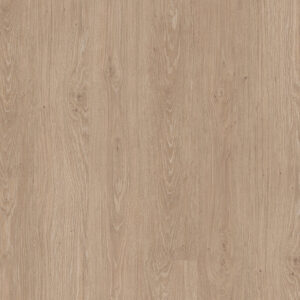
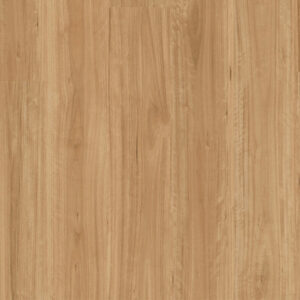
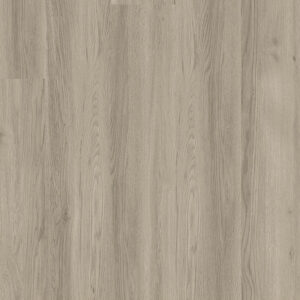
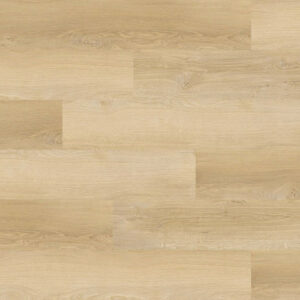
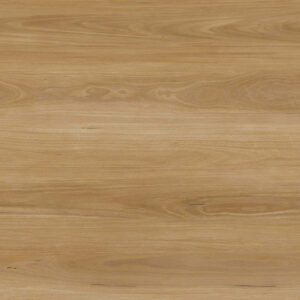
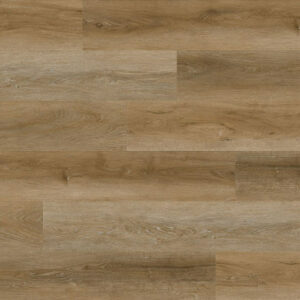
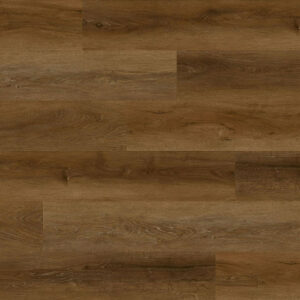
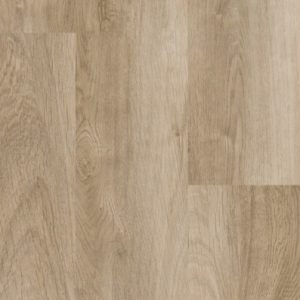
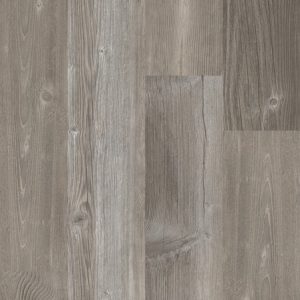
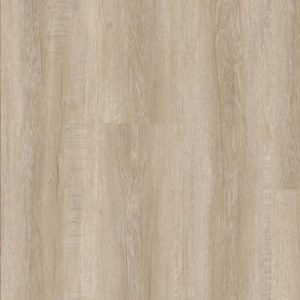
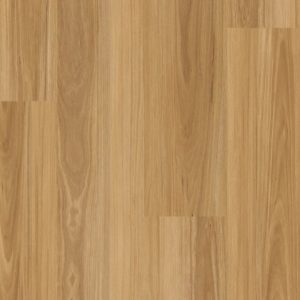
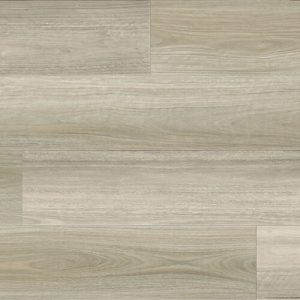
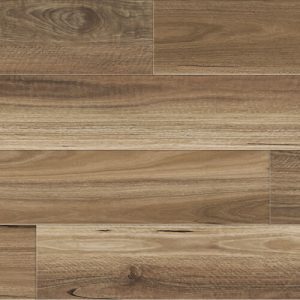
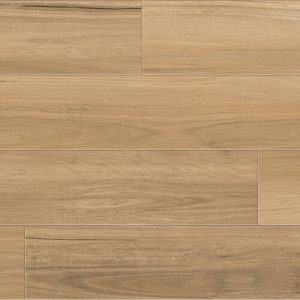
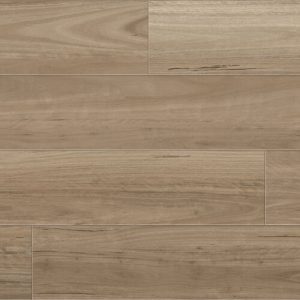
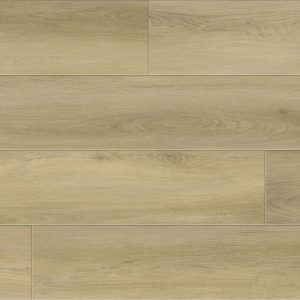
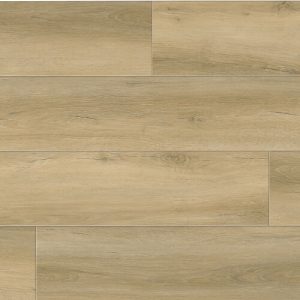
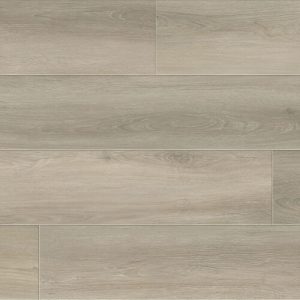
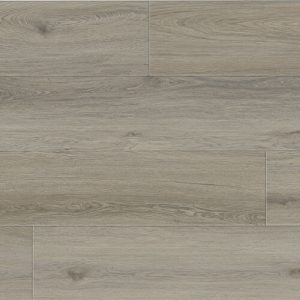
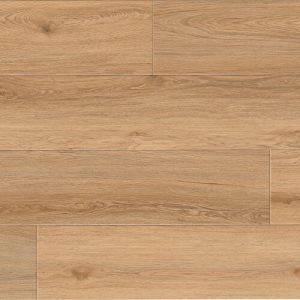
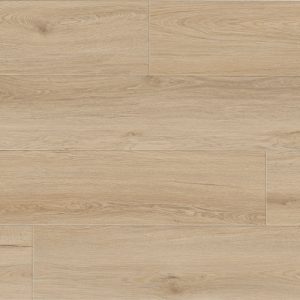
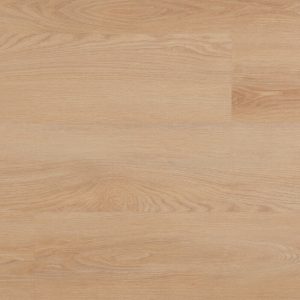
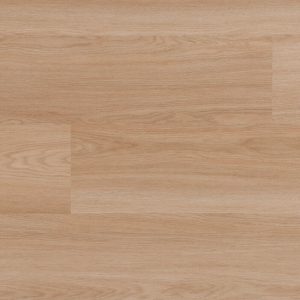
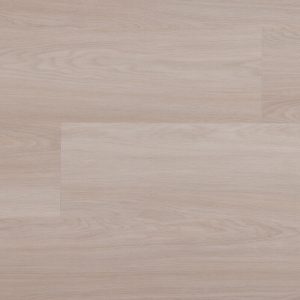
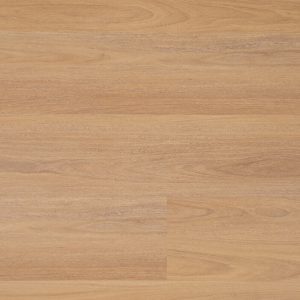
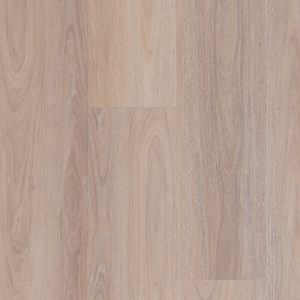
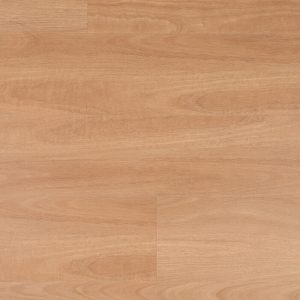
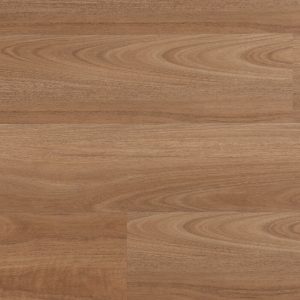
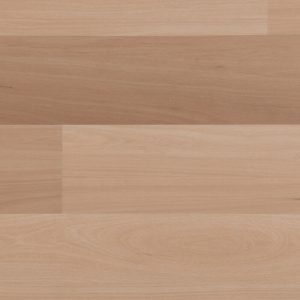
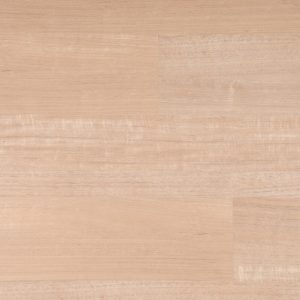
Due to high levels of moisture, laundry flooring should be fully waterproof. This, coupled with the compact spaces of laundries, makes vinyl and tiles perfect for laundry flooring. Browse our extensive range below and get fast shipping anywhere in Australia.
The best laundry flooring is durable, easy to clean and suitable for areas where spills, moisture and occasional leaks may occur. Vinyl flooring and tiles are popular options because they are available in water-resistant or waterproof designs and can withstand the regular cleaning required in a busy laundry.
Does laundry flooring need to be waterproof?
Choosing waterproof flooring provides additional protection against splashes, overflowing sinks and washing machine leaks. However, the flooring itself is only one part of protecting the room. The subfloor, joins, edges, penetrations and installation method must also be suitable for the laundry and comply with applicable building requirements.
Always confirm that the particular flooring product is approved by its manufacturer for use in laundries before installation.
Is vinyl flooring suitable for a laundry?
Yes, vinyl flooring can be an excellent choice for a laundry. It is comfortable underfoot, easy to clean and available in a wide range of timber, stone and tile-inspired designs. Many vinyl products also provide strong resistance to moisture, stains and everyday wear.
Check the individual product specifications and warranty because not every vinyl floor has the same level of water resistance.
Are vinyl planks waterproof?
Many vinyl planks are waterproof or highly resistant to moisture, but this varies between products. A waterproof plank does not automatically make the entire installation waterproof, as water may still reach the subfloor around walls, joins, doorways or other unsealed areas.
Choose a product approved for laundry use and follow the manufacturer’s installation requirements.
Are tiles suitable for laundry floors?
Many vinyl planks are waterproof or highly resistant to moisture, but this varies between products. A waterproof plank does not automatically make the entire installation waterproof, as water may still reach the subfloor around walls, joins, doorways or other unsealed areas.
Choose a product approved for laundry use and follow the manufacturer’s installation requirements.
Are tiles suitable for laundry floors?
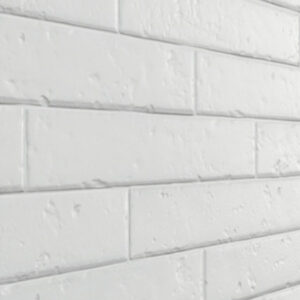
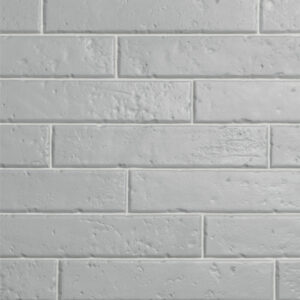
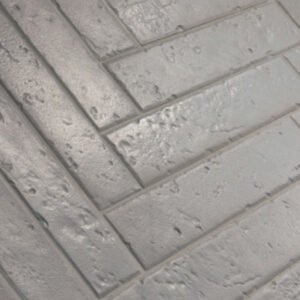
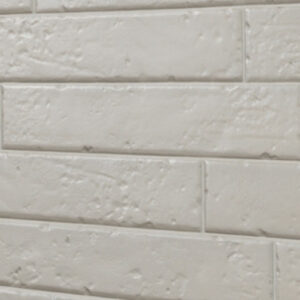
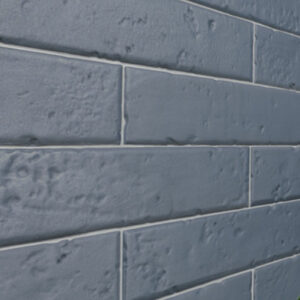
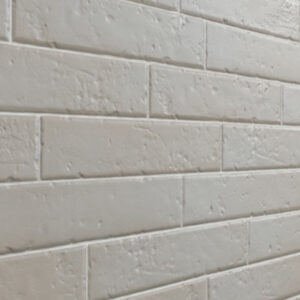
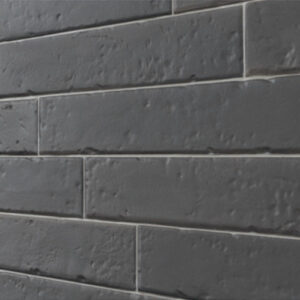
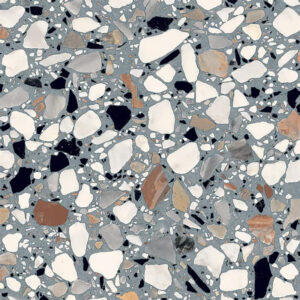
Yes. Floor tiles are a traditional choice for laundries because they are durable, easy to clean and well suited to areas exposed to water. Tiles are also available in a wide range of sizes, colours and finishes, allowing you to create anything from a simple neutral laundry to a more decorative space.
Consider the tile’s slip resistance, particularly where water may collect on the floor.
Can I use timber-look flooring in a laundry?
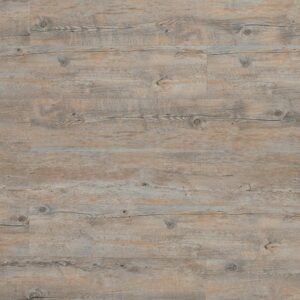
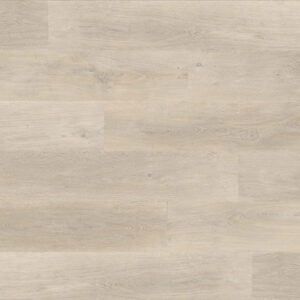
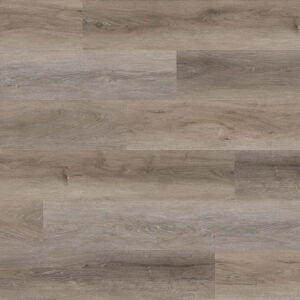
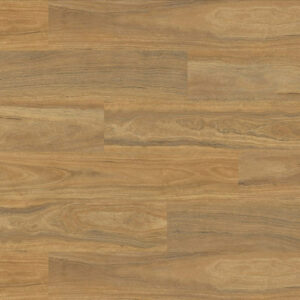
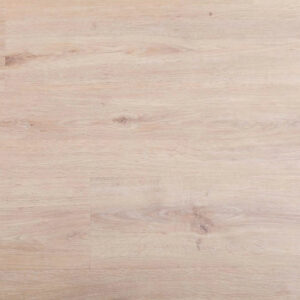
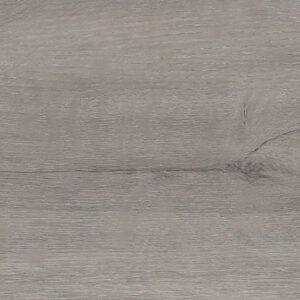
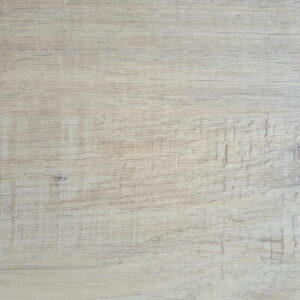
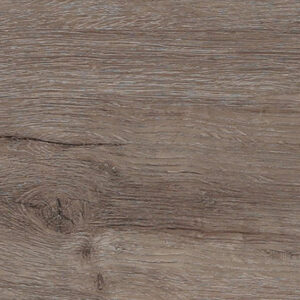
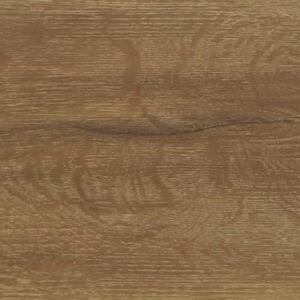
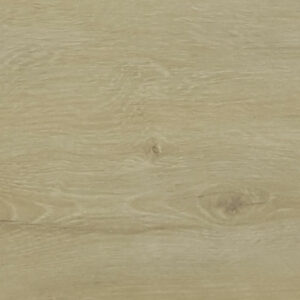
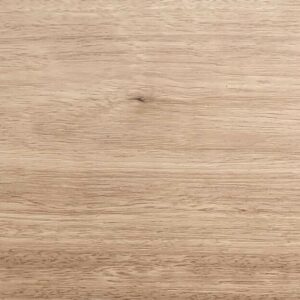
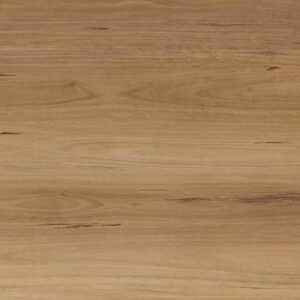
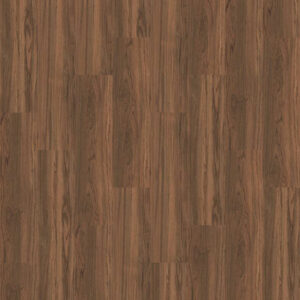
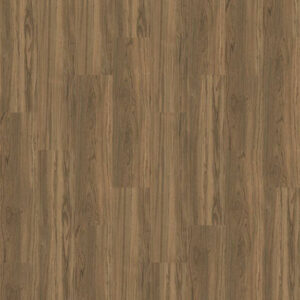
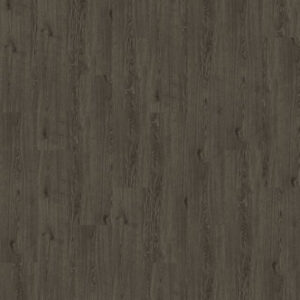
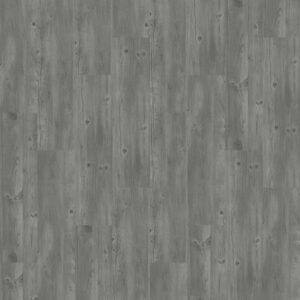
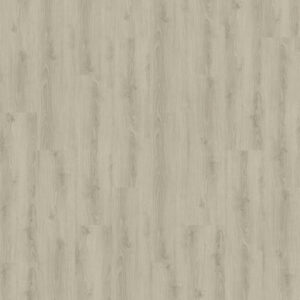
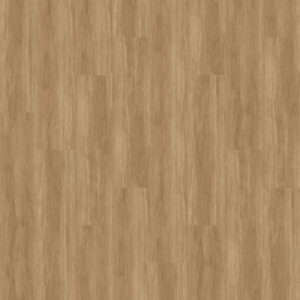
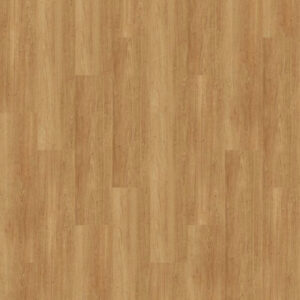
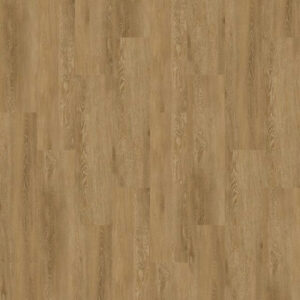
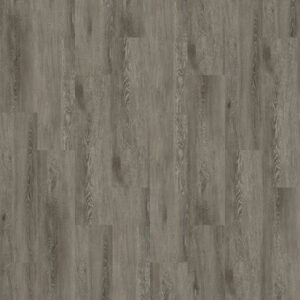
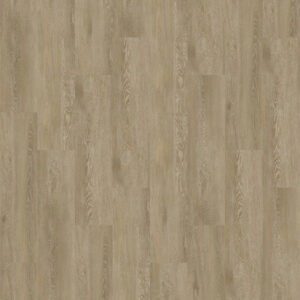
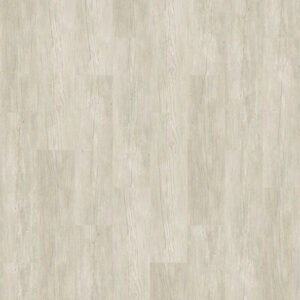
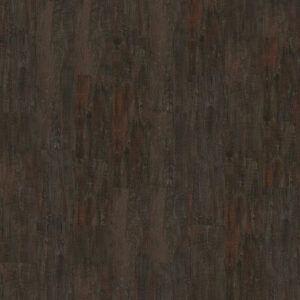
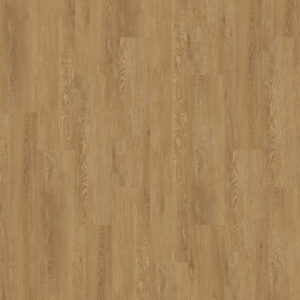
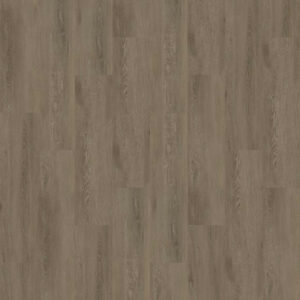
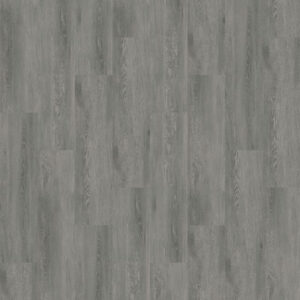
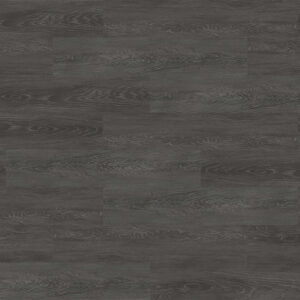
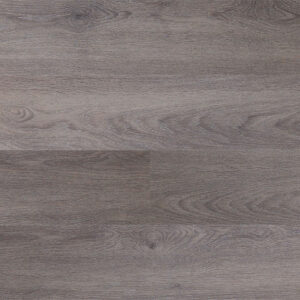
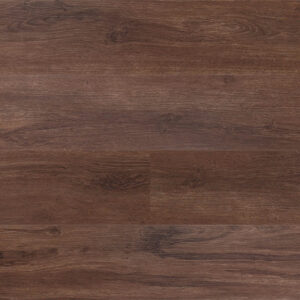
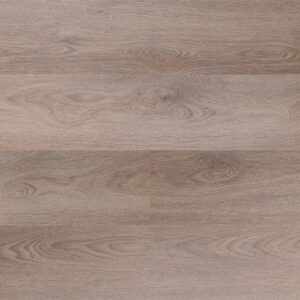
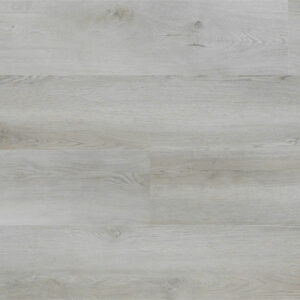
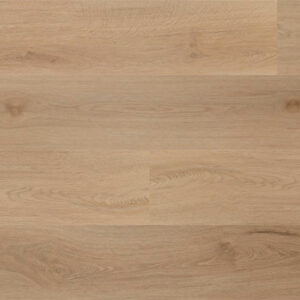
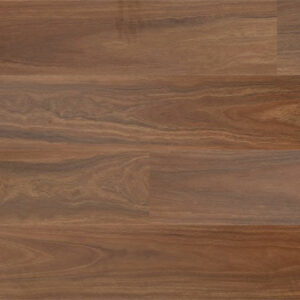
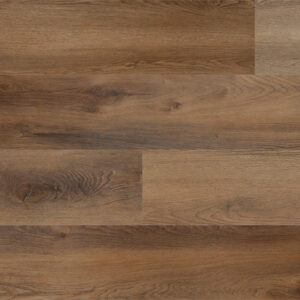
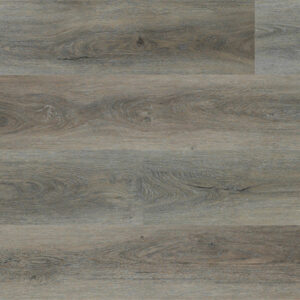
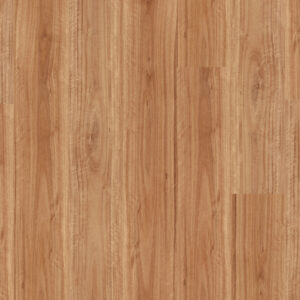
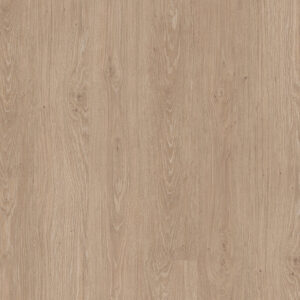
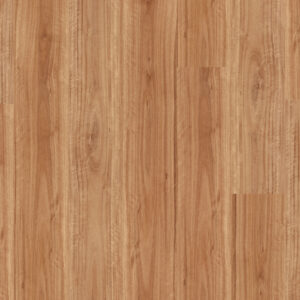
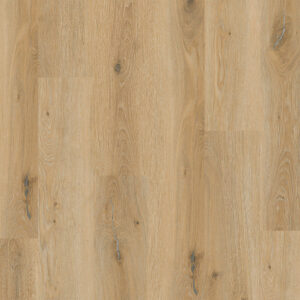
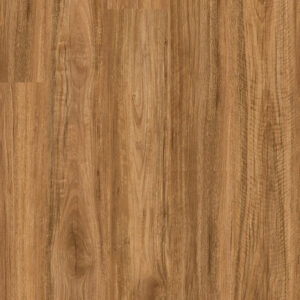
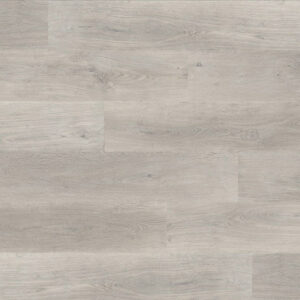
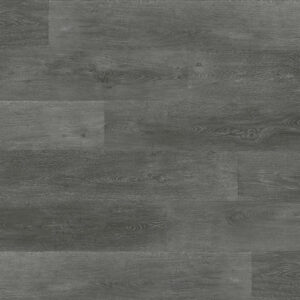
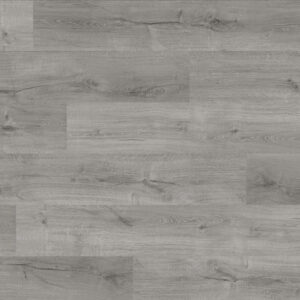
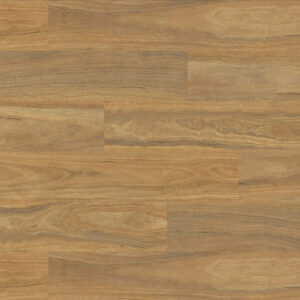
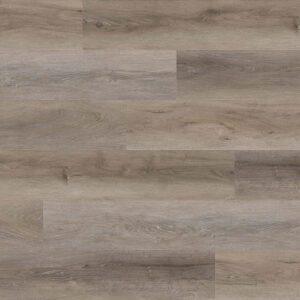
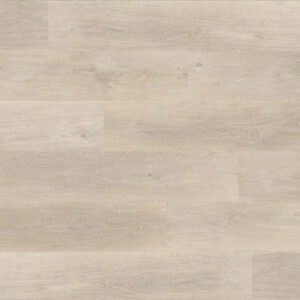
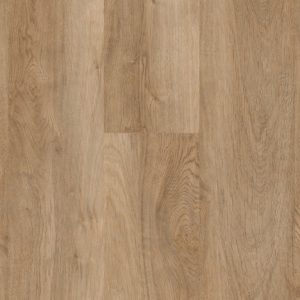
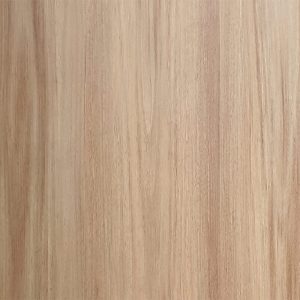
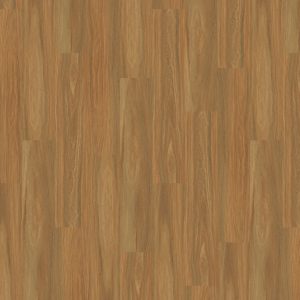
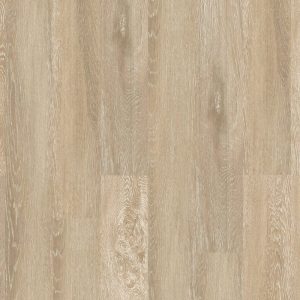
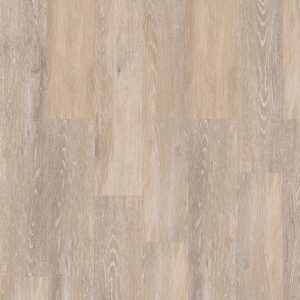
Yes. Timber-look vinyl planks allow you to create the appearance of natural timber without using solid timber in a moisture-prone room. They are available in designs inspired by popular Australian species, light oak, dark oak and contemporary grey timber.
Check that the selected range is approved for laundry installation and offers the level of moisture resistance your room requires.
Can laminate flooring be used in a laundry?
Some water-resistant or waterproof laminate products may be suitable for laundries, but standard laminate can be vulnerable to swelling if water reaches the core or enters through the joins.
Before using laminate in a laundry, confirm that the manufacturer specifically permits wet-area or laundry installation. You should also check whether additional sealing or a particular installation method is required to maintain the warranty.
Can hybrid flooring be installed in a laundry?
Some hybrid flooring ranges may be suitable for laundries because their rigid cores do not absorb water in the same way as traditional timber products. However, suitability varies between manufacturers, and restrictions may apply around floor wastes, room edges and fixed cabinetry.
Always review the product warranty and installation guide before selecting hybrid flooring for a laundry.
Installation and maintenance
How do I choose slip-resistant laundry flooring?
Look for flooring with a suitable slip-resistance rating and a surface that provides grip when wet. Smooth or highly polished flooring may become slippery if water spills from a sink or washing machine.
The required level of slip resistance can depend on the property and how the room is used, so ask a flooring professional about the most appropriate product for your laundry.
How is laundry flooring installed?
The installation method depends on whether you choose tiles, glue-down vinyl or another flooring type. The subfloor must generally be clean, dry, stable and level before installation begins.
Laundry installations may also require careful treatment around doorways, cabinetry, appliances, pipes and floor wastes. We recommend using an experienced flooring installer and following the manufacturer’s installation instructions.
Do I need underlay beneath laundry flooring?
This depends on the flooring product and installation system. Glue-down vinyl usually does not use a separate underlay, while some floating floors have an underlay attached or require a compatible underlay beneath the boards.
An underlay does not replace required waterproofing or proper subfloor preparation. Follow the specifications provided for the particular flooring range.
How do I clean and maintain laundry flooring?
Sweep or vacuum regularly to remove dust and grit, then clean the floor using a suitable product recommended by the flooring manufacturer. Wipe up detergent, water and other spills promptly to reduce staining and slipping risks.
Avoid abrasive cleaners or excessive water unless the product’s care instructions specifically permit their use. It is also worth checking hoses and connections around your washing machine to reduce the risk of unnoticed leaks.