
Engineered Timber Flooring

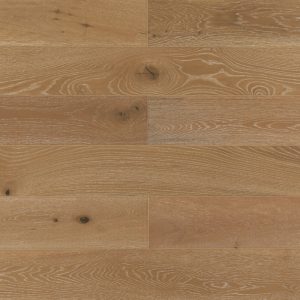
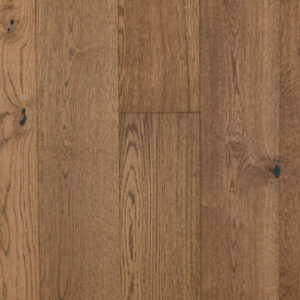
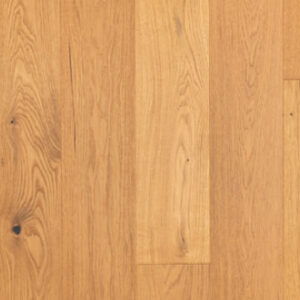
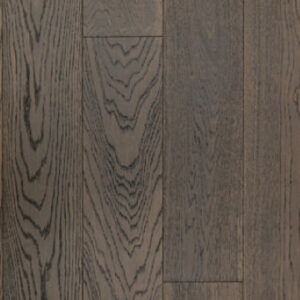
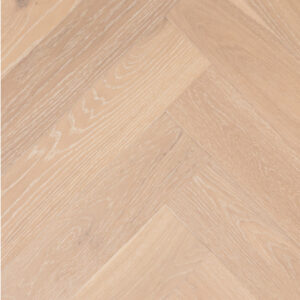
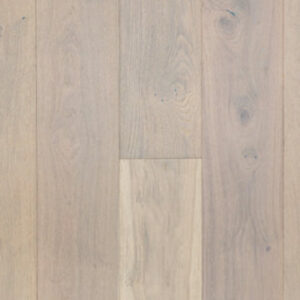
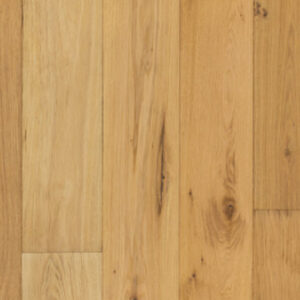
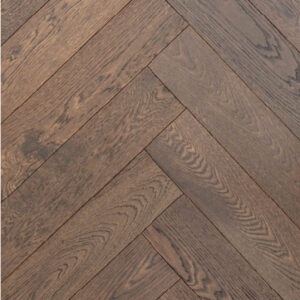
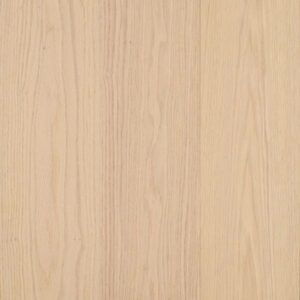
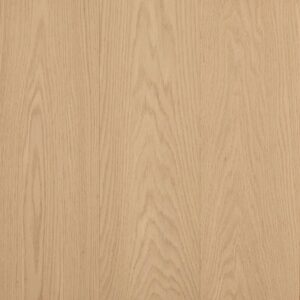
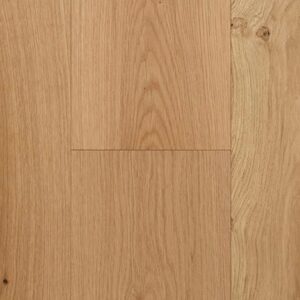
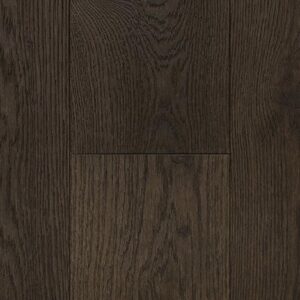
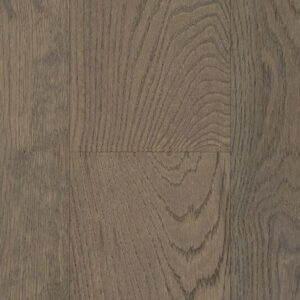
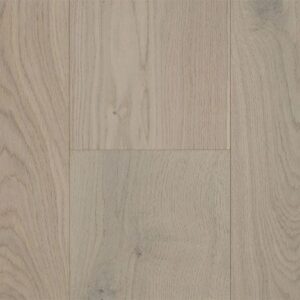
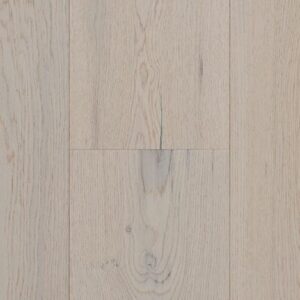
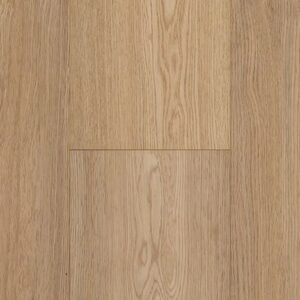
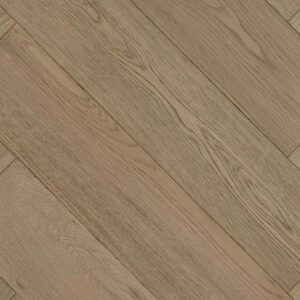
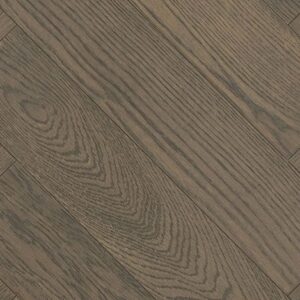
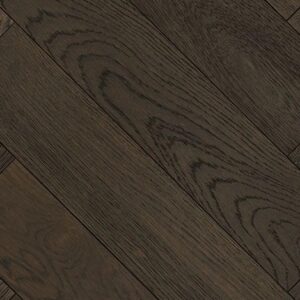
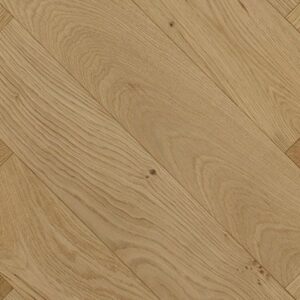
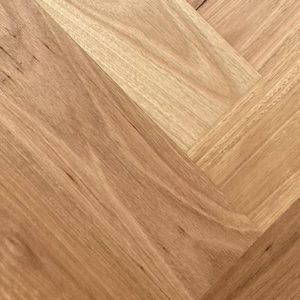
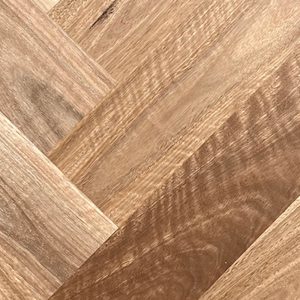
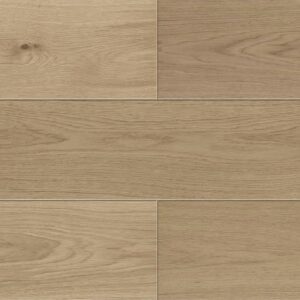
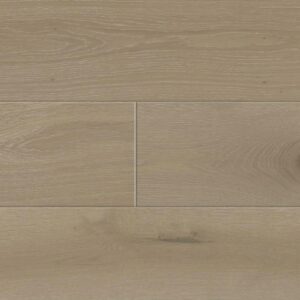
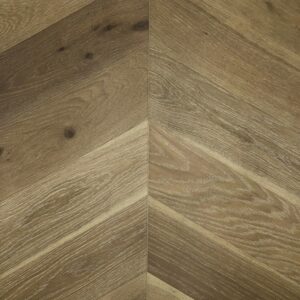
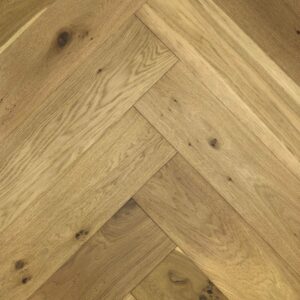
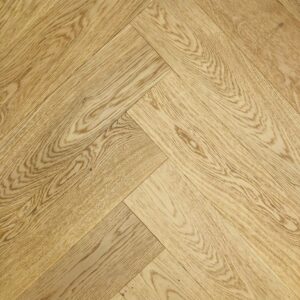
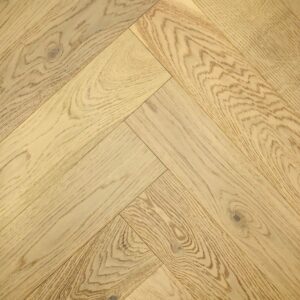
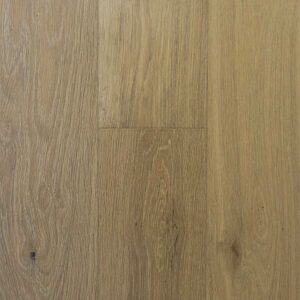
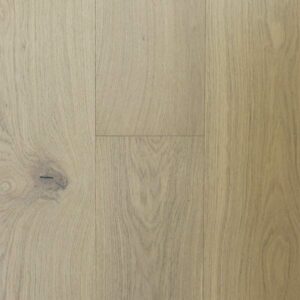
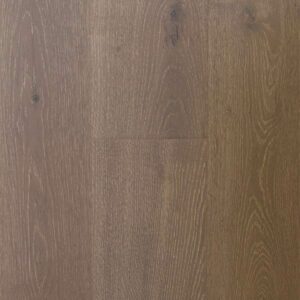
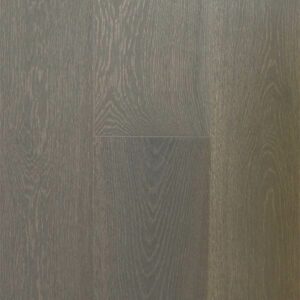
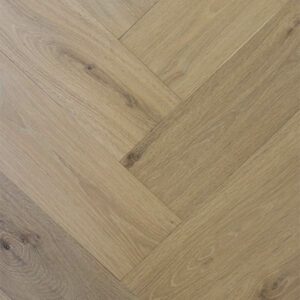
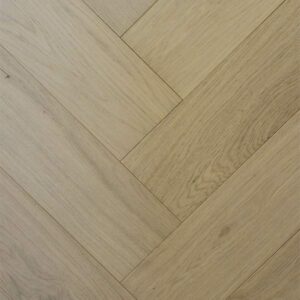
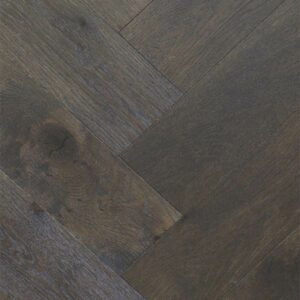
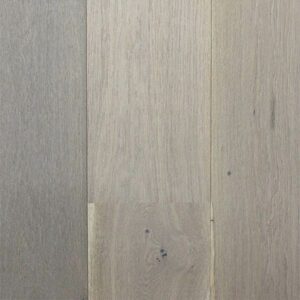
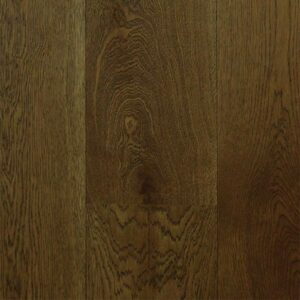
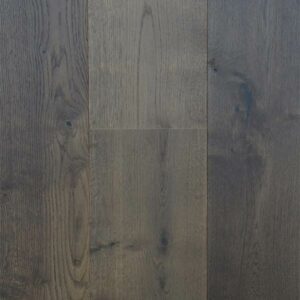
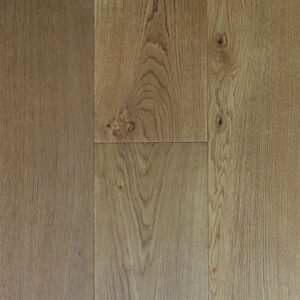
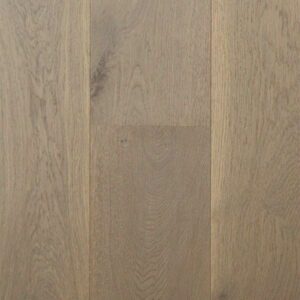
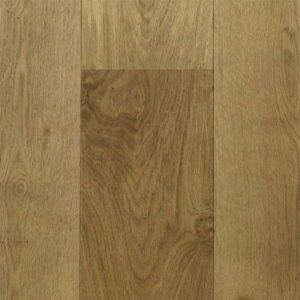
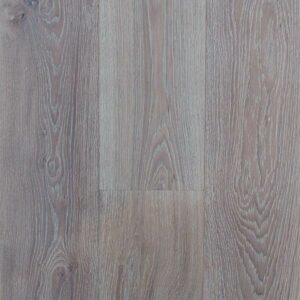
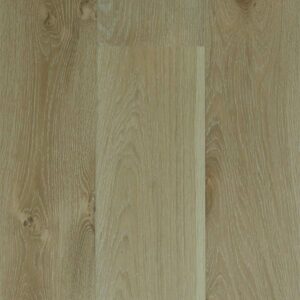
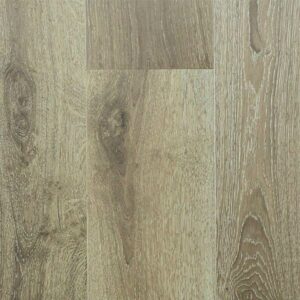
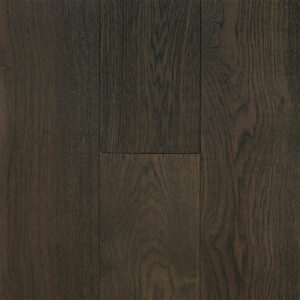
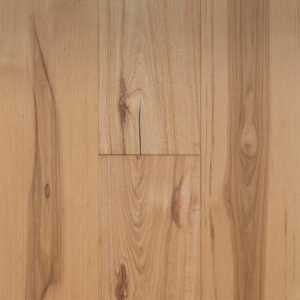
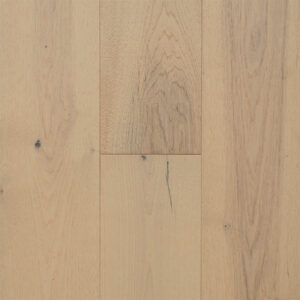
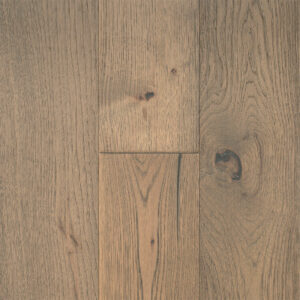
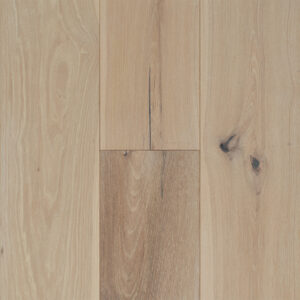
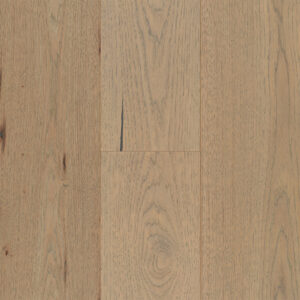
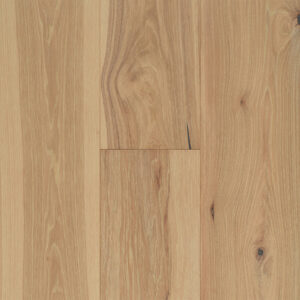
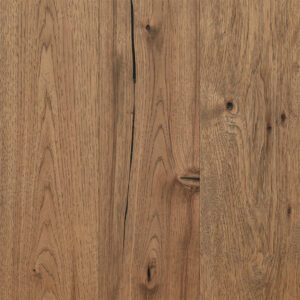
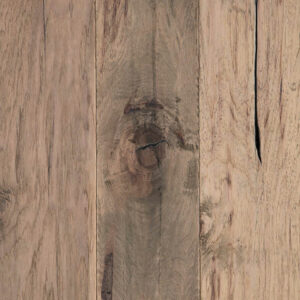
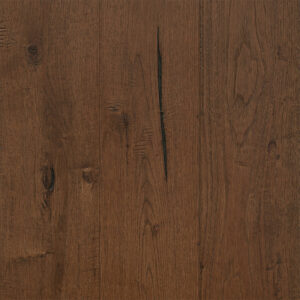
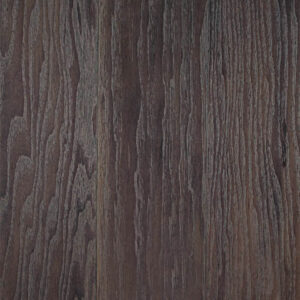
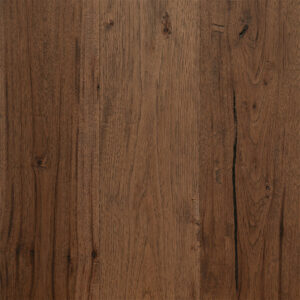
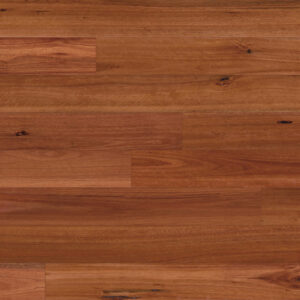
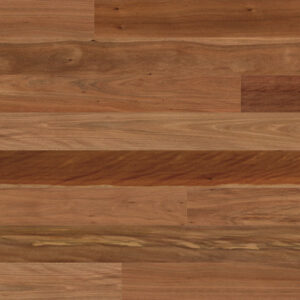
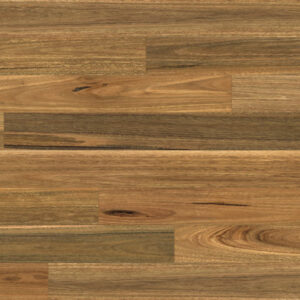
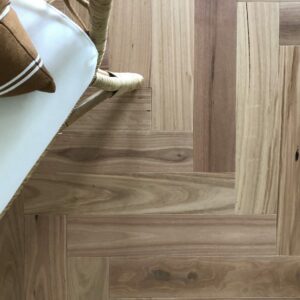
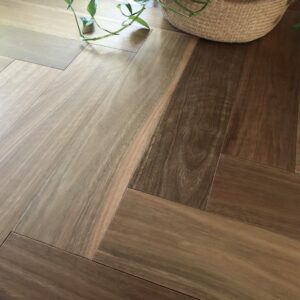
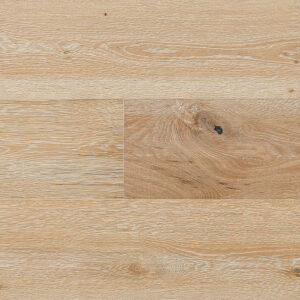
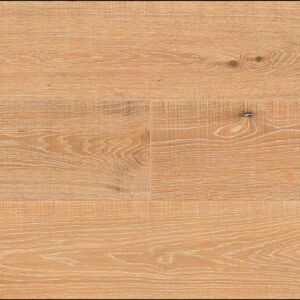
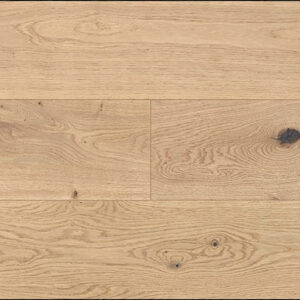
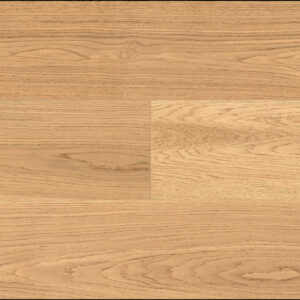
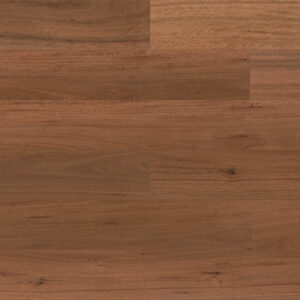
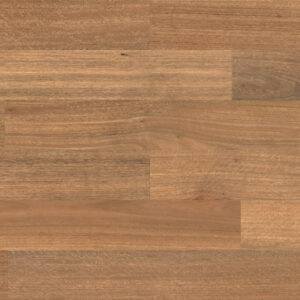
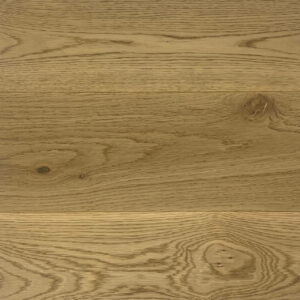
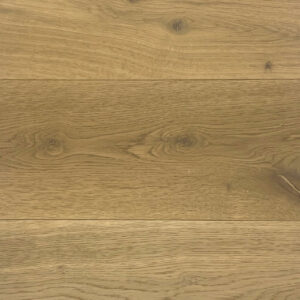
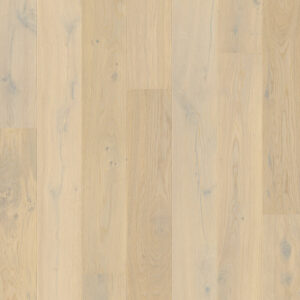
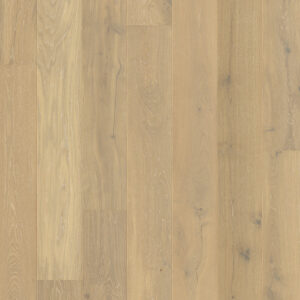
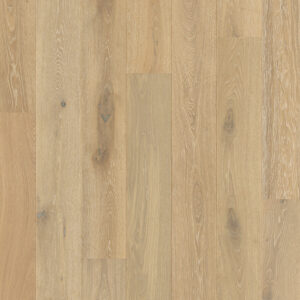
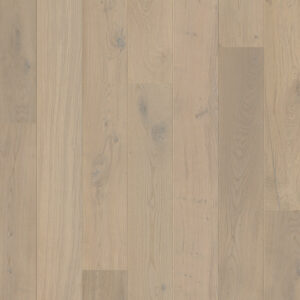
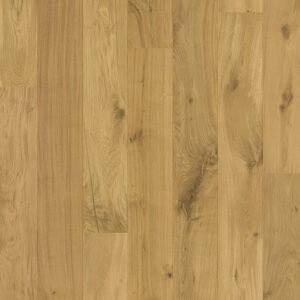
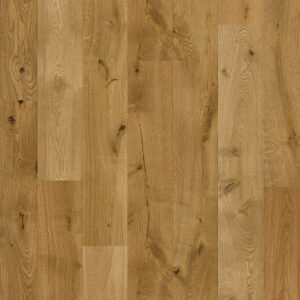
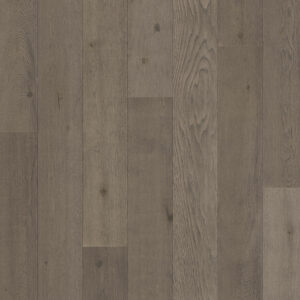
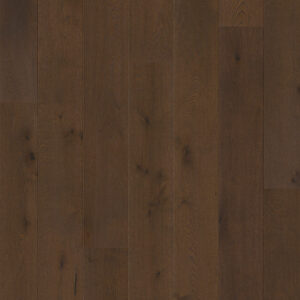
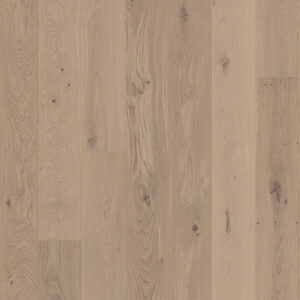
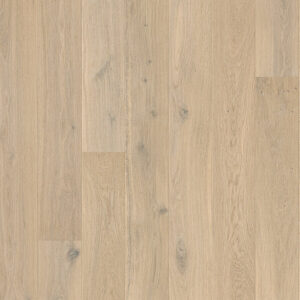
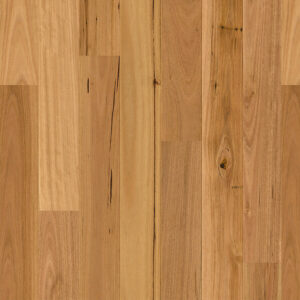
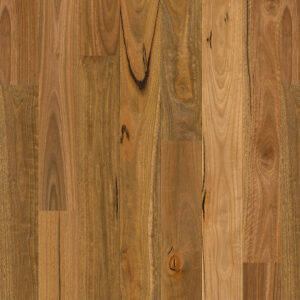
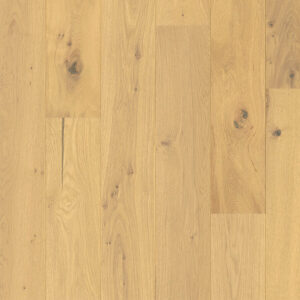
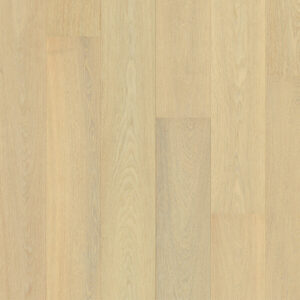
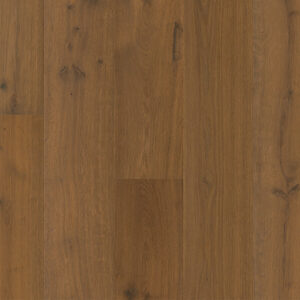
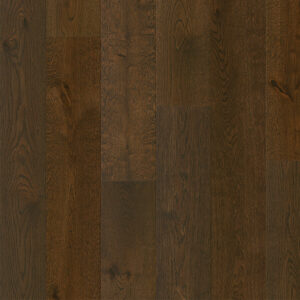
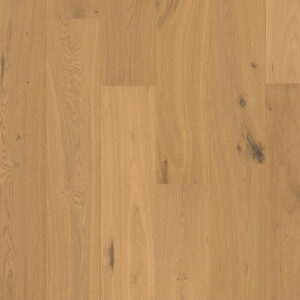
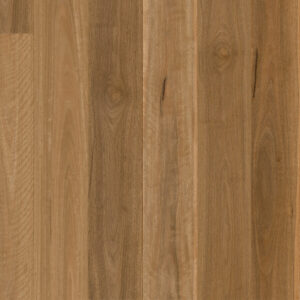
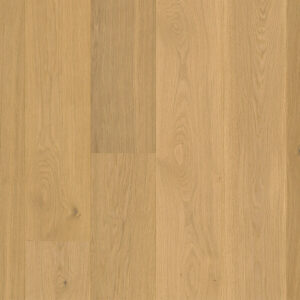
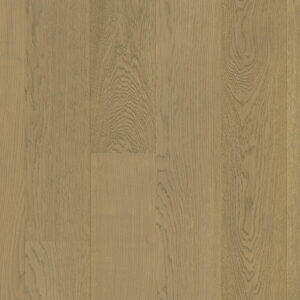
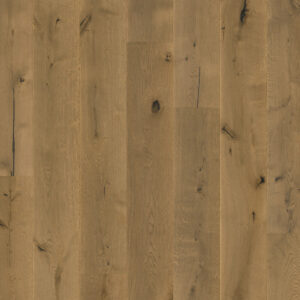
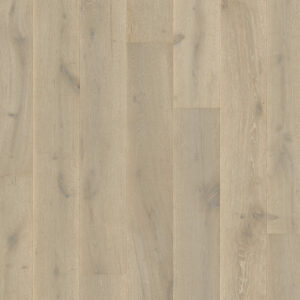
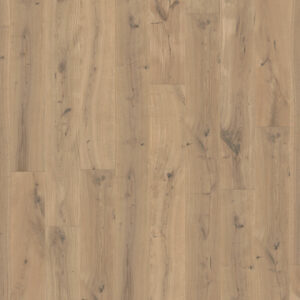
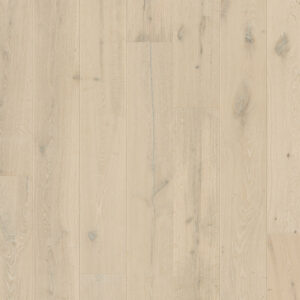
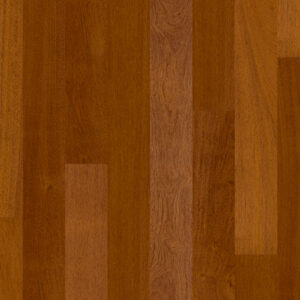
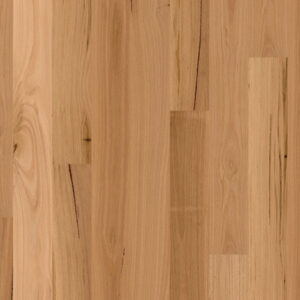
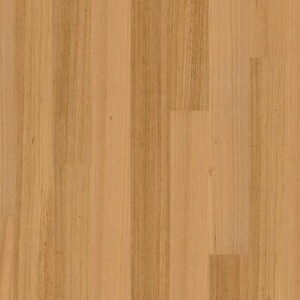
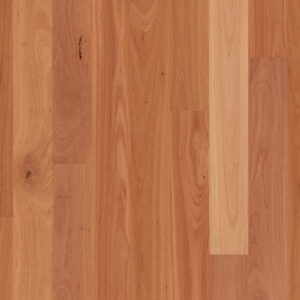
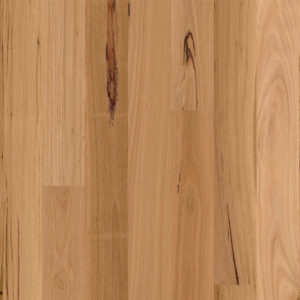
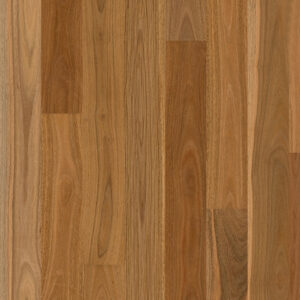
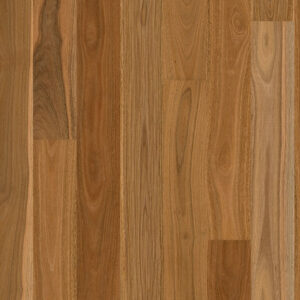
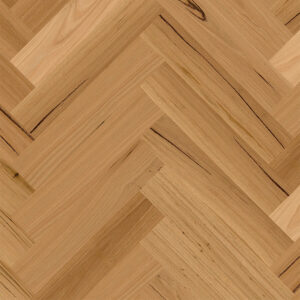
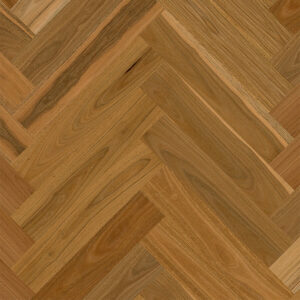
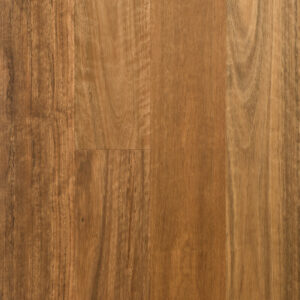
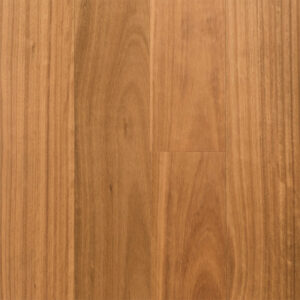
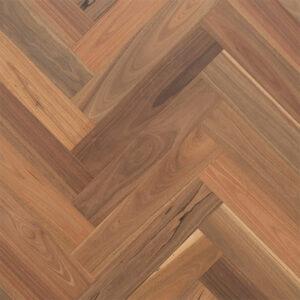
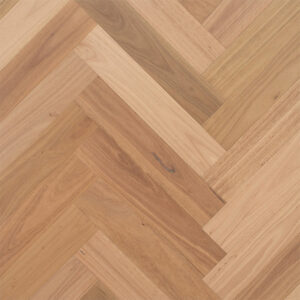
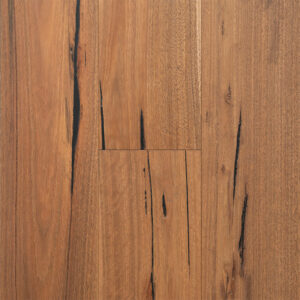
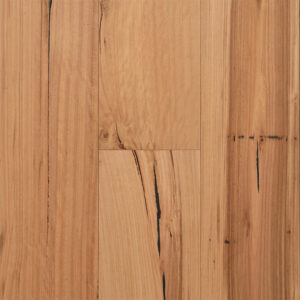
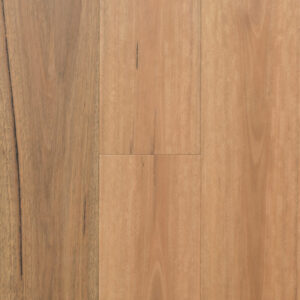
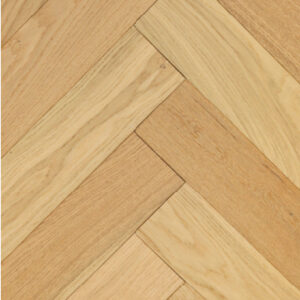
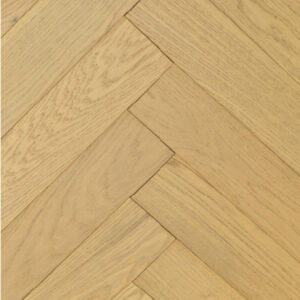
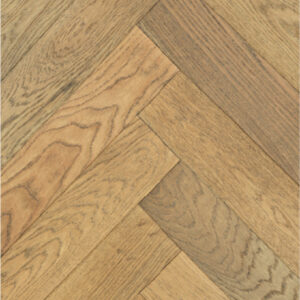
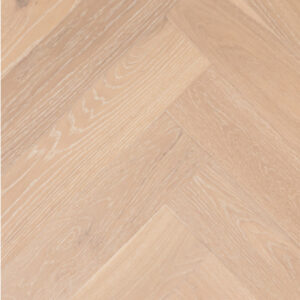
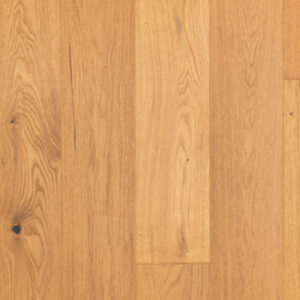
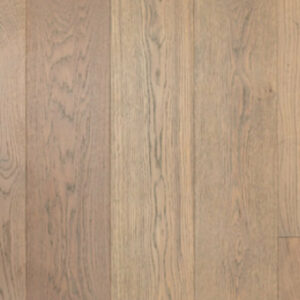
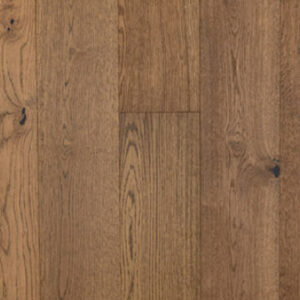
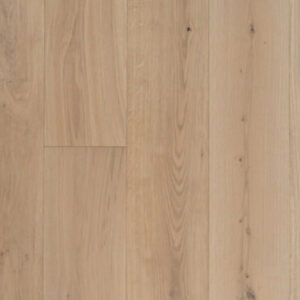
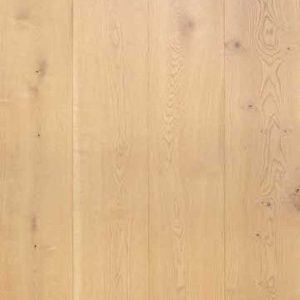
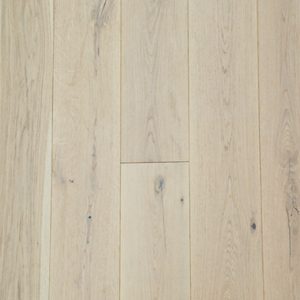
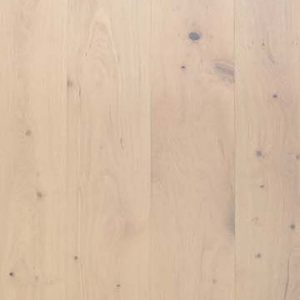
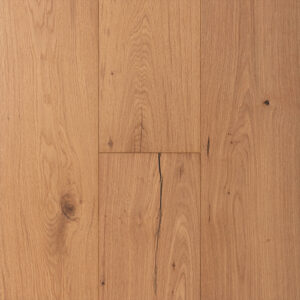
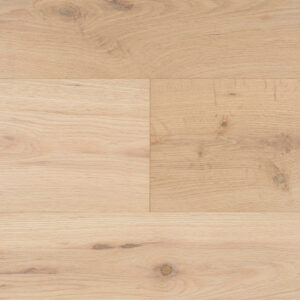
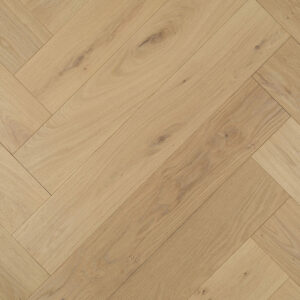
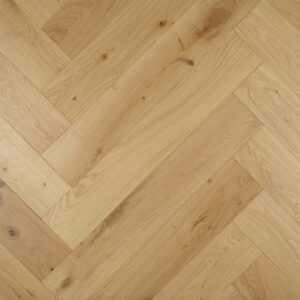
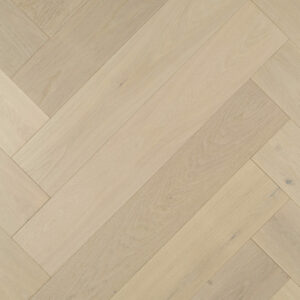
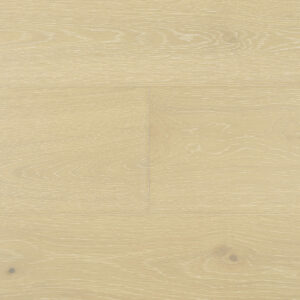
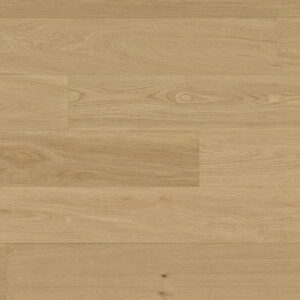
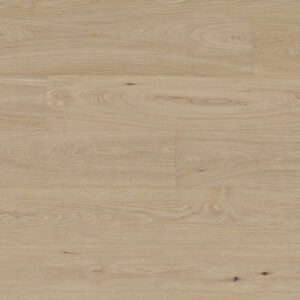
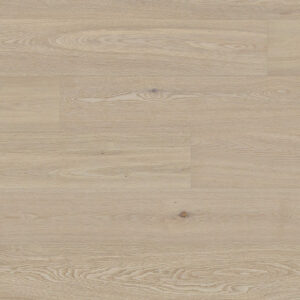
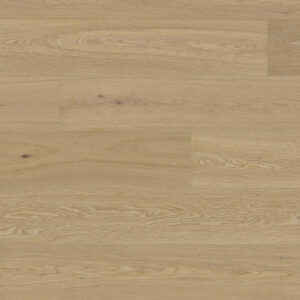
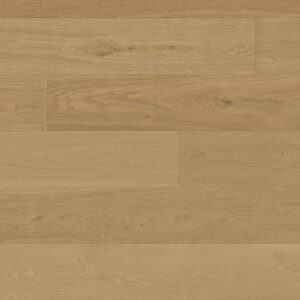
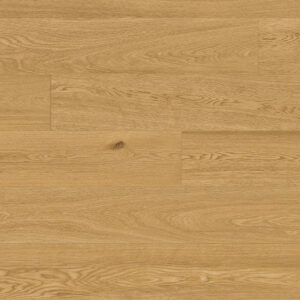
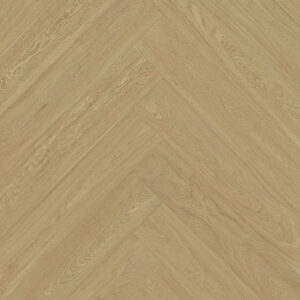
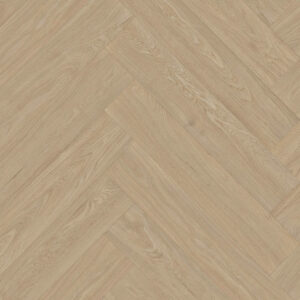
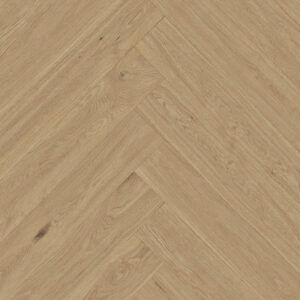
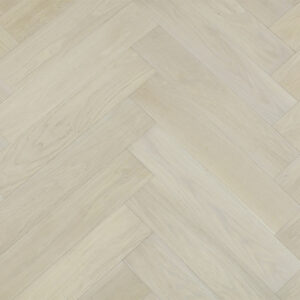
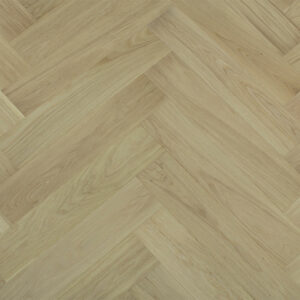
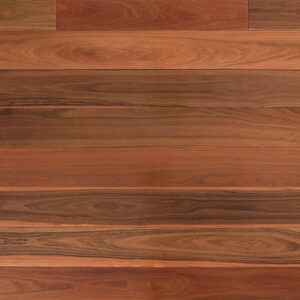
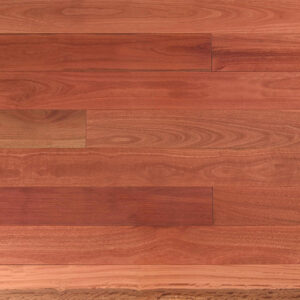
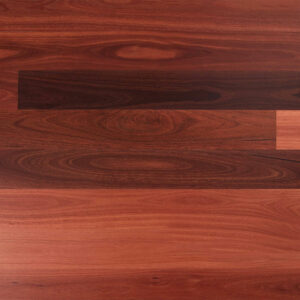
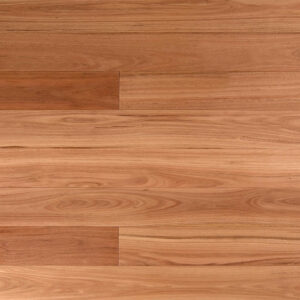
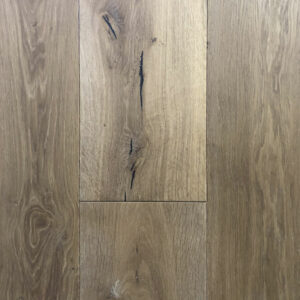
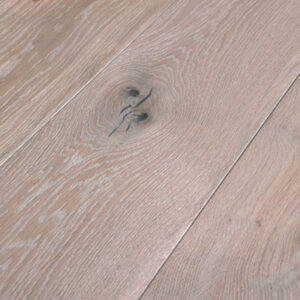
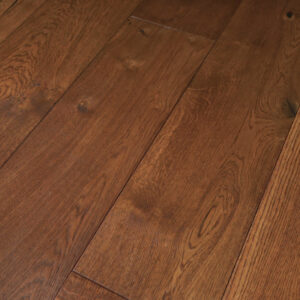
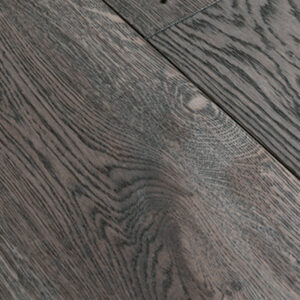
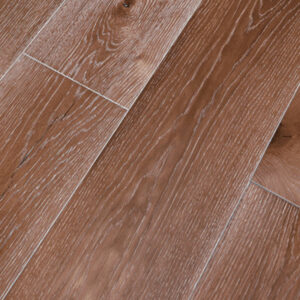
Engineered timber flooring combines a genuine timber surface with a stable, layered core. It gives you the natural grain and colour variation of real timber while reducing some of the movement associated with solid timber flooring. Explore Australian hardwood, European Oak, herringbone and wideboard options that can be floated or direct stuck, depending on the product and site conditions.

Filter

Sort by

ApplyReset all

Budget (per m2)

State

Thickness

Colour

Width

Length

Species

Veneer

Surface

Bevel

Coatings

Locking System

Sort by

Clem Sturgess

Your Timber Flooring Expert

Engineered timber is a long-term investment, and the right choice depends on more than colour. Speak directly with Clem about timber species, construction, finishes, installation methods and what will suit your home.

Call Clem Now

0 items found

21% OFF
21% OFF
Overview Engineered Timber Flooring Overview Engineered Timber Flooring

Engineered Timber Features

  • Real Timber Surface Every board has genuine timber grain, colour and natural variation.
  • Engineered Stability Cross-layered construction helps control the natural movement of timber.
  • Australian and European Species Choose from Australian hardwoods, European Oak and other genuine timber species.
  • Multiple Installation Options Products are available for floating or direct-stick installation, depending on the range.
  • Choice of Finishes Compare lacquered, hard wax oil and UV-oiled surfaces with different care requirements.
  • Long-Term Care Options Some floors can be lightly abraded and recoated or refinished, depending on the veneer and finish.

Why Choose Engineered Timber Flooring

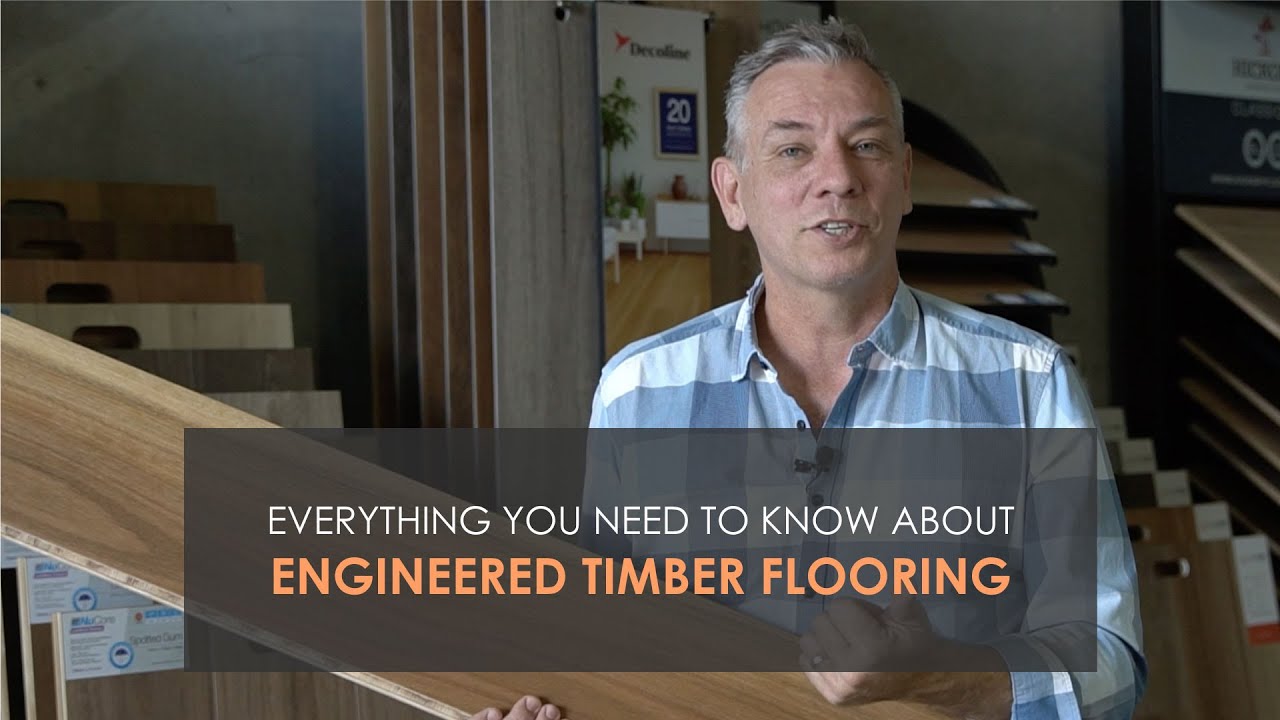
Watch the videos below as Clem explains how engineered timber flooring is made, what separates different products and what you should check before choosing or installing your floor.

Everything you need to know about engineered timber flooring
Introducing our new Australis Eclipse Terra range
Solid timber vs engineered timber vs bamboo flooring
Everything you need to know about engineered timber flooring
Introducing our new Australis Eclipse Terra range
Solid timber vs engineered timber vs bamboo flooring

FAQs

General

Engineered timber flooring has a genuine timber surface attached to a layered core. Common constructions include a plywood core or a three-layer design with a block core and balancing layer. The layers run in opposing directions to help control the natural expansion and contraction of timber.

Solid timber flooring is made from one piece of timber, while engineered timber uses a real timber surface over a layered core. Both provide genuine timber grain and colour variation. Engineered construction helps reduce movement and can offer faster installation, although the result still depends on the product, subfloor and installation method.

Yes. The visible surface is genuine timber rather than a printed image. The thickness and species of this timber layer vary between products, so check the specifications on the individual product page.

European Oak is generally more affordable, more dimensionally stable and available in a wide choice of colours. Australian hardwoods such as Blackbutt and Spotted Gum are generally harder and more resistant to denting, but they can cost more and need careful acclimatisation. Your preferred colour, grain and character will often guide the final choice.

Price can be affected by the timber species, veneer thickness, grading, board size, core construction, finish and brand. A cleaner grade with fewer knots usually costs more because only a small portion of each log meets that visual grade. A higher price does not always mean a floor is better suited to your home.

It can be, but genuine timber can still scratch and dent. Australian hardwoods are generally harder than European Oak, while the coating also affects how the surface handles daily wear. For homes with large dogs, young children or heavy traffic, Clem recommends comparing timber with more damage-resistant flooring before deciding.

Many engineered timber products can be used in kitchens if spills are cleaned promptly and the supplier permits the application. Timber is not waterproof, so use mats in high-risk areas and follow the care instructions supplied with your chosen floor.

Engineered timber is generally not the first choice for bathrooms and laundries because standing water and ongoing moisture can damage real timber. Check the product warranty and installation instructions before using any engineered timber floor in a wet area.

Engineered timber flooring has the same look and feel as hardwood timber flooring, but can cost much less than solid timber. Another benefit of engineered timber over solid timber is the ability of engineered timber to adapt well to all types of conditions. Whereas solid timber might warp, fade, move, shrink, or expand due to changes in weather or season, engineered timber will maintain the same quality.
Engineered timber flooring can be installed far more quickly and easily than solid hardwood flooring. Most engineered timber products also come pre-finished, which means that sanding, staining, or sealing is required during or after installation. You can save time and money on installation costs by choosing engineered timber.

Engineered timber flooring is similar to laminate flooring due to its multilayered construction. However, laminate flooring is a completely synthetic product without the natural appeal of engineered timber. Laminate flooring, while made to resemble real hardwood, does not show the same colour and pattern variation as engineered timber.

Engineered timber floors can also have double or triple the lifetime of laminate floors. While you may end up paying more for engineered timber flooring, you will also guarantee many years of quality flooring in your home or business.

Yes, engineered timber flooring is a safe option for a home with pets. Engineered timber is designed to be more durable than traditional solid timber flooring. Many brands feature special coatings that help reduce the risk of scratches, stains, and other issues common in pet-friendly homes.

Yes, engineered timber flooring is an awesome choice for a home with kids. Engineered timber often features excellent protection on the surface, including stain resistance, scratch resistance, and more.

Installation & Maintenance

Clem recommends direct-stick installation for most engineered timber floors over a suitable concrete subfloor. It usually provides a firmer feel and more natural sound underfoot. Floating installation can suit smaller areas or homes where the underlying structure moves. The chosen product must approve the installation method.

A floated engineered timber floor normally requires an approved underlay unless the supplier states otherwise. A direct-stick floor uses adhesive instead. Underlay should not be used to hide a subfloor that falls outside the supplier’s flatness requirements.

Yes. Timber needs time to adjust to the temperature and humidity of the installation environment. The required process and duration vary between products and locations, so follow the supplier’s instructions rather than using a standard number of days for every floor.

Yes. Clem recommends taking preventative measures even when a moisture test appears acceptable. Direct-stick installations may require a compatible primer or moisture barrier. Floated installations may require builder’s plastic or another approved vapour barrier. Follow the flooring and adhesive suppliers’ instructions.
In Clem’s experience, most problems relate to installation rather than a defective board. Common causes include insufficient acclimatisation, moisture entering through an unsealed slab, an uneven subfloor and ignoring the supplier’s rules for expansion gaps or maximum floor dimensions.
A careful and capable DIY renovator may be able to install a suitable floating product. Direct-stick installation is more demanding because the subfloor, moisture protection, adhesive coverage and board placement must all be correct. If you are unsure about any of these steps, use a qualified flooring installer.

Vacuum or sweep with a soft attachment, wipe spills promptly and use a lightly damp mop with a cleaner approved by the flooring supplier. Avoid steam mops, excess water, abrasive products and general-purpose detergents that may damage the finish.

It depends on the thickness of the timber veneer, the depth of any wire brushing and the type of finish. A full sand removes part of the timber surface. In many cases, lightly abrading the existing coating and applying a new compatible coat is a better option because it preserves more of the veneer. Ask a timber flooring professional to inspect the floor first.

Lacquer forms a protective coating over the timber and generally needs less routine maintenance. Oiled finishes nourish the timber and can make local scratch repairs easier, but they need regular care with compatible oil products. Choose based on how much maintenance you are willing to do.
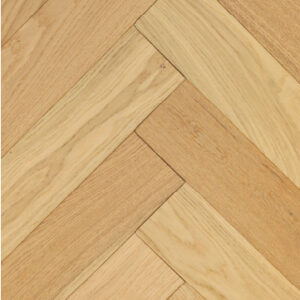
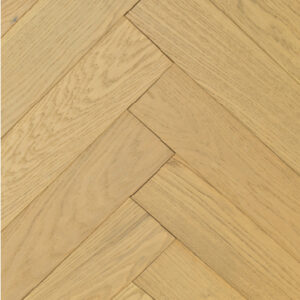
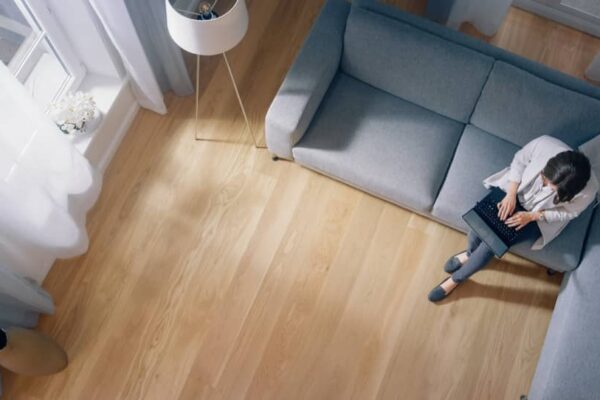
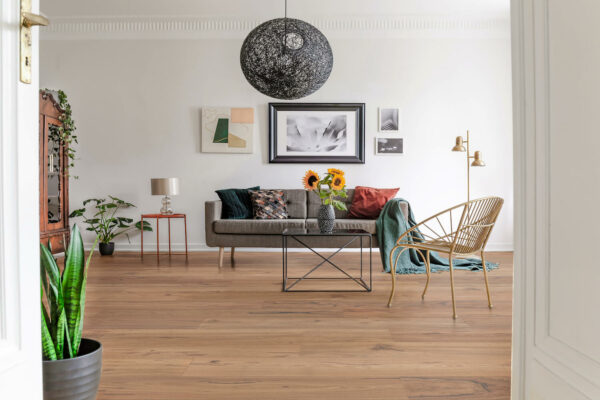
Engineered timber flooring is a great addition to many different rooms in your home. Engineered timber is a popular choice in many open areas in today’s modern homes. They can provide a sense of enlargement even in smaller spaces.
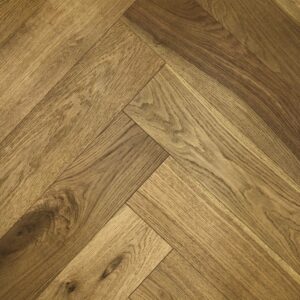
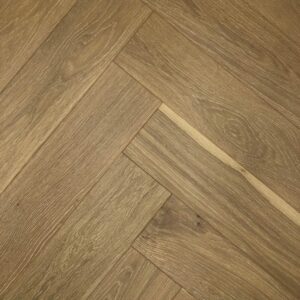
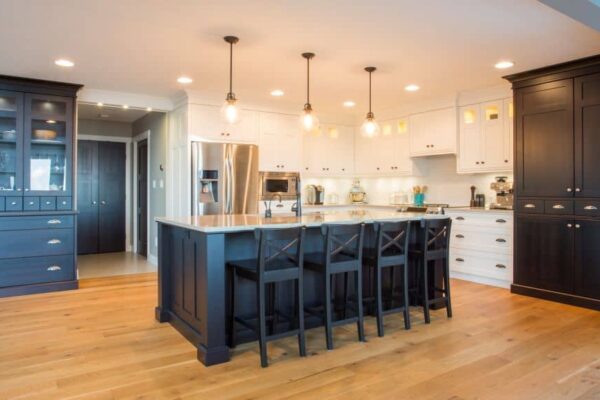
Engineered timber floors would also be a great choice for a kitchen or dining space. Small rugs can be placed for added protection in kitchen spaces if you have concerns about scratches or spills. Engineered timber is hard-wearing, which makes it a perfect choice for rooms like the kitchen that are highly trafficked.

The main consideration you should give your engineered timber flooring is to choose special cleaners. You should avoid using generic detergents and other kinds of floor cleaners, which may cause permanent, lasting damage to your engineered timber flooring.

Otherwise, you should regularly sweep or vacuum dust and dirt that accumulate on your floors. Do not let liquid messes linger on your engineered timber floors, but you can use a dry or damp mop for a thorough cleaning. In many ways, engineered timber floors should be treated similarly to solid timber flooring due to the quality of the timber top layer.

With the right amount of maintenance, you can expect many years out of your engineered timber floors. Although you cannot refinish it as often as solid timber, proper maintenance can help you get 30 years of excellent performance.

Engineered timber flooring can be installed using the useful installation guide provided with your new flooring. Online Flooring Store also offers helpful hints on our website if you would like to install it on your own. However, we understand that our customers have busy lives. We are happy to connect you with one of over 220 professional layers across Australia.

Not every engineered timber brand requires an underlay. Some products feature an underlay with the flooring. You can also choose to use an underlay to eliminate imperfections in the subfloor and improve moisture resistance.

Absolutely! Engineered timber flooring is highly durable and designed to withstand wear, making it an excellent choice for high-traffic areas like living rooms and hallways.

Ideas & Advice View All

We deliver to all areas in Australia

We Deliver to All Areas in Australia

We've teamed up with the best couriers in Sydney, Melbourne, Brisbane, Perth, Adelaide and other areas. For more information on our delivery timelines and transport options click here.

ENQUIRE ABOUT DISCOUNTED PRICING

  • This field is hidden when viewing the form
  • This field is hidden when viewing the form
  • This field is hidden when viewing the form
  • Max. file size: 2 MB.

  • Please prove you are human by selecting the heart.Please prove you are human by selecting the heart.