
Last edited: 16/4/26
Proper laminate floor care is less about scrubbing harder and more about using the right method. The biggest mistakes people make are using too much water, using too much cleaner, and mopping before removing grit from the surface.
Done properly, laminate flooring is easy to keep looking good. In this guide, we’ll walk through the safest way to clean laminate floors, what products to avoid, and the simple habits that make the biggest difference over time.
If you’d rather skip to the essentials, here’s the quick version:
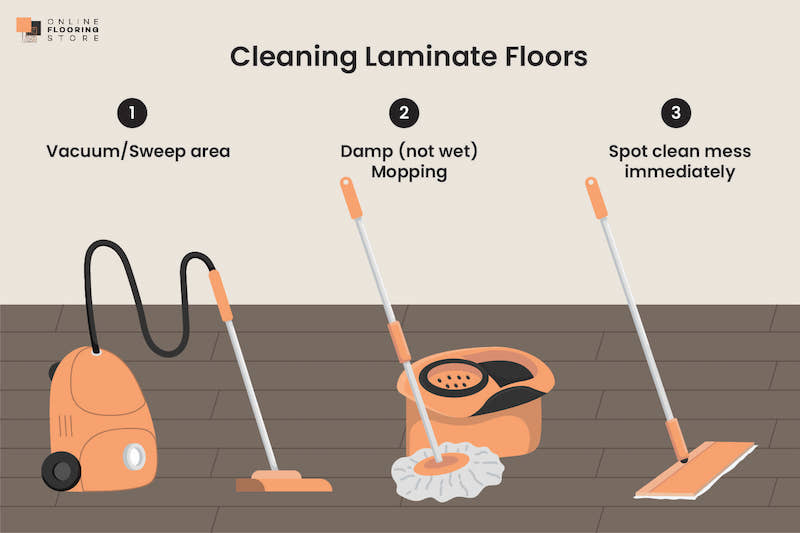
- Vacuum or sweep first, especially if there’s grit or sand on the floor.
- Mop with as little moisture as possible; damp, not wet.
- Use a proper laminate or floating floor cleaner, not vinegar or DIY mixes.
- Clean spills straight away before moisture gets into the joins.
- Use mats and furniture pads to reduce scratching and wear.
- Treat steam mops as a no unless the manufacturer clearly says otherwise.
Laminate Floor Cleaning Quick Reference
| Method or Product | Recommended? | Why | Best Practice |
|---|---|---|---|
| Soft broom or vacuum without beater bar | Yes | Removes grit, dust, and sand without being too aggressive on the surface | Use regularly, especially in busy homes or where sand gets tracked inside |
| Spray mop | Yes | Helps control moisture better than a traditional wet mop | Use a light mist only and clean in smaller sections |
| Microfibre mop | Yes | Gentle on laminate and effective for everyday cleaning | Keep it properly wrung out and clean the mop head regularly |
| Traditional wet mop | Usually no | Often leaves too much water on the floor | If used at all, wring it out as much as possible before use |
| Dedicated laminate or floating floor cleaner | Yes | Made for the surface and less likely to leave damaging residue | Follow the dilution instructions and do not overuse it |
| Vinegar or DIY cleaning mixes | No | Can leave residue, create streaks, or cause finish issues over time | Stick to purpose-made laminate floor cleaners instead |
| Steam mop | Usually no | Heat and moisture can damage joins and edges | Only use if the manufacturer clearly says it is safe |
| Furniture pads | Yes | Help reduce scratches and scuffs from moving furniture | Use felt pads and replace them when worn down |
| Door mats | Yes | Help stop grit, sand, and moisture reaching the floor | Place them at entry points and keep them reasonably clean |
General Cleaning for Laminate Floors
Regular Sweeping and Vacuuming
Regular sweeping or vacuuming is the starting point for cleaning laminate flooring properly. The main thing you want to remove is grit, especially sand, because that is what tends to do the damage over time. If it stays on the floor, you end up dragging it across the surface when you walk on it or mop.
A soft broom or vacuum without a beater bar is usually the safest option. This helps lift dust, dirt, and loose debris without being too aggressive on the surface. In busy homes, or anywhere sand gets tracked inside, it is worth doing this often so the floor does not slowly lose its finish from everyday abrasion.

Vacuums with beater bars have become less popular; however, some great new alternatives composed of softer materials reduce any possible damage.
Use a Damp, Not Wet Mop
The best way to clean laminate floors is with a properly wrung-out mop and a dedicated laminate floor cleaner. The goal is to clean the surface without leaving excess moisture behind, because too much water can get into the joins and edges and lead to swelling or warping over time.
In practice, damp means the mop should feel barely wet, not leave puddles, and not push visible water across the floor. Spray mops are often a good option because they control how much moisture goes down. If you are using a traditional mop, wring it out as much as possible before it touches the floor.
It is also worth being careful not to use too much cleaner. Overdosing the product can leave residue behind, which often causes streaks and makes the floor look dull faster. A small amount of the right cleaner, used properly, usually works better than soaking the floor and hoping for the best.
Immediate Spot Cleaning
Spills should be cleaned up straight away, especially on laminate flooring. The longer moisture sits on the surface, the more chance it has to work into joins and edges, which is where problems usually start.
- Wipe up spills as soon as they happen using a soft cloth or dry microfibre cloth.
- If needed, follow with a slightly damp microfibre mop or cloth to lift any leftover residue.
- Do not leave water or cleaning solution sitting on the floor any longer than necessary.
Stain Removal and Laminate Floors
For tougher marks, it is best to start with the gentlest option and only step up if needed. Scrubbing too hard or using the wrong product can do more harm than the stain itself.
- For sticky residue or surface marks, use a soft cloth with a small amount of laminate floor cleaner.
- For tougher stains such as ink or nail polish, a small amount of acetone on a cloth may help, but only use it carefully and only where appropriate.
- Always test any stronger product on a small, inconspicuous area first.
- Avoid soaking the area, and do not use abrasive pads or aggressive scrubbing.
Best Cleaner for Laminate Floors
The best cleaner for laminate floors is usually a dedicated laminate or floating floor cleaner used exactly as directed. In most cases, the problem is not that people use too little product. It is that they use too much, or they use something that was never meant for laminate in the first place.
A good laminate floor cleaner should lift dirt without leaving a heavy residue behind. That is why pH-neutral products made for laminate flooring tend to be the safest option. They clean the surface properly without being overly harsh on the finish.
It is best to avoid bleach, ammonia, vinegar mixes, dishwashing liquid, and other DIY solutions. These can leave streaks, create buildup, or cause problems with the floor’s finish over time. For the best result, use a proper laminate floor cleaner, follow the dilution instructions, and keep moisture to a minimum.
Our Overall Pick Laminate Floor Cleaner
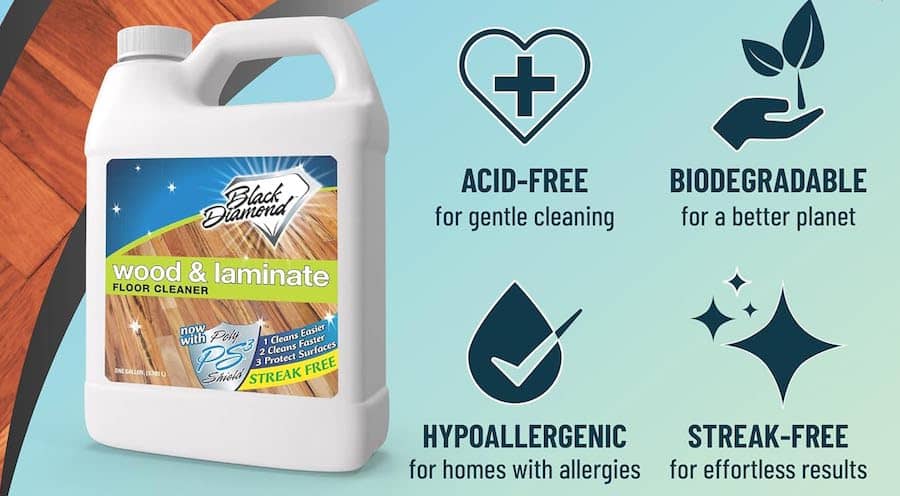
If you want a purpose-made product, Black Diamond Wood & Laminate Floor Cleaner is one option designed specifically for laminate and similar hard floors. It may be less accessible in Australia than some supermarket alternatives, but it is still a solid choice for households looking for a dedicated laminate floor cleaner.
Here are the main reasons why we picked it:
- Designed for laminate and hard floors
- pH-neutral formula
- Biodegradable
- Hypoallergenic, which may suit allergy-sensitive homes
- Dries without leaving a heavy streaky residue
Runner-up Floor Cleaner
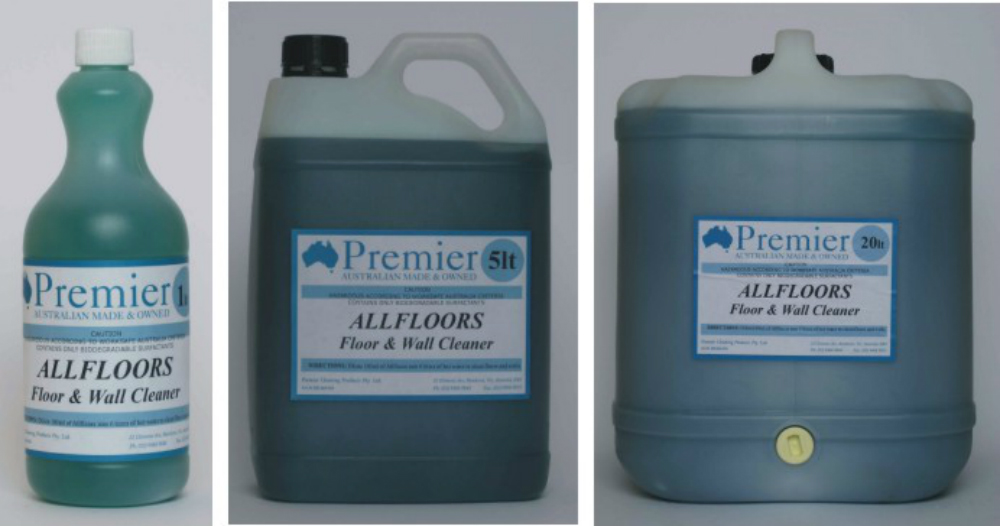
Another good option is All Floors pH Neutral Cleaner by Premier Cleaning Products, an Australian-made product that works well on laminate and other hard flooring types.
The packaging is fairly plain, but the product itself is affordable, effective, and easy to use. It is also a pH-neutral cleaner, which makes it a safer choice for laminate flooring when used correctly. The refillable container system is another plus for households trying to reduce waste.
Used with the right mop and a properly wrung-out microfibre head, it is a solid budget-friendly option for everyday laminate floor cleaning. It is also a nice way to support a local Australian business.
Best Mop for Laminate Floors
The best mop for laminate floors is one that cleans effectively without leaving too much water behind. In most homes, that means a microfibre mop, a spray mop, or a mop with a good wringing mechanism that helps keep moisture under control.
- Microfibre mops are a popular choice because they lift dust and dirt well without being too harsh on the surface.
- Spray mops are especially useful for laminate flooring because they apply a light mist instead of soaking the floor.
- If you are using a traditional mop, it should be wrung out as much as possible before use.
- Keep the mop head clean, because a dirty mop will just spread grime around and can leave streaks behind.
- Avoid heavy wet mops that put down too much water and make it harder to protect the joins and edges.

Expert Insights From Levi Saunders
Online Retail Specialist & Flooring Content Creator
One of the easiest options for laminate flooring is the Koh Spray Mop Starter Kit. The main reason is simple: it gives you much better control over how much moisture goes onto the floor, which is exactly what you want with laminate.
Instead of over-wetting the surface like a traditional mop can, a spray mop lets you apply a light mist as needed and clean in smaller sections. That makes it easier to keep the floor damp, not wet, and helps reduce the risk of moisture getting into joins and edges.
It is also lightweight, easy to use, and practical for everyday cleaning, especially in busy homes where you want something quick enough to use regularly.

Can You Use a Steam Mop on Laminate Floors?
In most cases, steam mops are best avoided on laminate flooring. The combination of heat and moisture can cause problems if it gets into the joins or sits too long in one spot, especially on products that are not designed for that kind of cleaning.
The safer default is to use a damp microfibre mop or spray mop with a dedicated laminate floor cleaner. That gives you much better control over moisture and lowers the risk of swelling, warping, or long-term damage.
Some laminate products may allow steam mopping, but only if the manufacturer specifically says so. If the care instructions or warranty do not clearly allow it, it is safest to treat steam mops as a no.
Furniture Pads
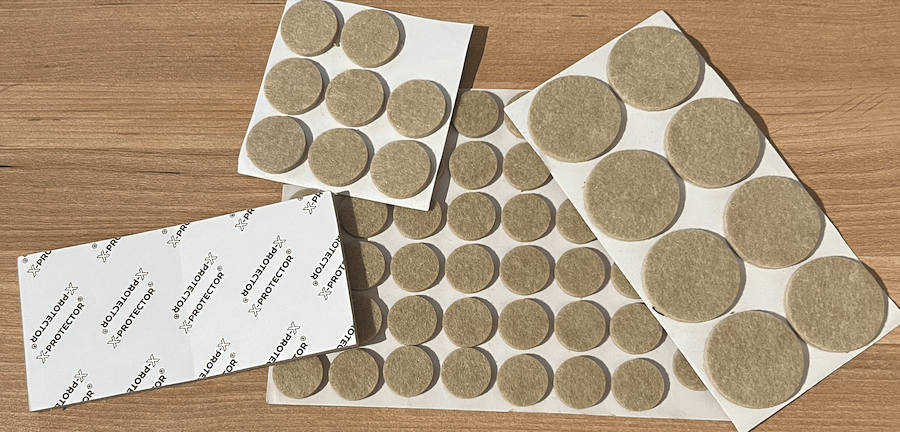
One of the easiest ways to protect laminate flooring is to use felt furniture pads under chairs, tables, and other movable items. They help reduce scratches and scuffs, especially in areas where furniture gets moved regularly.
For heavier furniture, lift rather than drag wherever possible. Most long-term wear on laminate does not come from cleaning. It comes from grit underfoot, furniture movement, and general daily traffic.
If you are choosing felt pads, look for ones that:
- stick securely to the furniture leg
- come in the right size for the item
- have enough thickness to create a proper buffer
- are easy to replace when worn down
Door Mats
Door mats are one of the simplest ways to protect laminate floors, especially in busy homes. They help catch grit, sand, and moisture before it gets tracked further inside, which matters because sand is one of the main things that slowly wears the surface down.
Place mats at main entry points and keep them reasonably clean so they keep doing their job. In homes with kids, pets, or lots of foot traffic, this kind of grit control usually makes more difference than overthinking cleaning products.
Laminate Ranges Worth Considering for Busy Homes
If you are looking for laminate flooring that can better handle everyday wear, spills, pets, and family traffic, these ranges are worth a closer look.
| Product Range | Best For | Why It Stands Out | Notes |
|---|---|---|---|
| Eclipse Aqua Storm Laminate | Busy homes needing better water and wear resistance | 8 mm laminate with AC4 wear layer, plus strong residential and commercial warranty coverage | Good option for households that want a tougher laminate for everyday use |
| Eclipse Aqua Immes Laminate | Homes wanting a thicker laminate with solid wear resistance | 12 mm laminate with AC4 wear layer, larger plank format, and 25-year residential warranty | Good option for households that want a more substantial laminate feel for everyday living |
| Eclipse Aqua Schild Laminate Flooring | Busy homes needing stronger water and wear protection | 96-hour water warranty, pet-friendly design, enhanced resistance, and built-in underlay | Strong option for families that want a tougher laminate for spills, pets, and everyday life |
| Premium Floors Quick-Step Impressive 8 mm Laminate | Homes wanting strong scratch resistance and better moisture protection | Scratch Guard top layer, HydroSeal coating, 8 mm construction, and easy click installation | Good option for households that want a more premium laminate for everyday wear |
| Premium Floors Quick-Step Impressive Ultra Laminate | Busy households wanting a thicker premium laminate | 12 mm thickness, ScratchGuard top layer, HydroSeal sealant, and easy installation | Strong fit for homes that want extra stability, scratch resistance, and better moisture protection |
| Premium Floors Quick-Step Majestic Laminate | Homes wanting a more premium large-plank laminate look | Longer, wider planks, ScratchGuard protection, HydroSeal coating, and a high-end hardwood-style finish | Strong fit for households that want premium appearance with everyday scratch and moisture protection |
| Premium Floors Quick-Step Perspective Nature Laminate | Homes wanting a realistic wood-look laminate with solid durability | 9 mm thickness, HydroSeal barrier, Scratch Guard protection, extra matt finish, and detailed bevel design | Good option for homeowners who want a more natural timber-style laminate with everyday scratch and moisture protection |
Keep Your Laminate Flooring Looking Good for Longer
Looking after laminate flooring is mostly about getting the basics right. Remove grit before mopping, use as little moisture as possible, choose a proper laminate floor cleaner, and deal with spills quickly.
The habits that make the biggest difference over time are simple: keep sand and dirt off the floor, use furniture pads where needed, put mats at entry points, and avoid over-wetting the surface. Done consistently, that goes a long way towards keeping laminate floors in good shape for years..
FAQs
The best floor-cleaning solution for laminate floors is usually a dedicated laminate or floating floor cleaner used at the correct dilution. In most cases, the bigger problem is not using too little cleaner. It is using too much, or using something that was never meant for laminate in the first place.
A pH-neutral cleaner made for laminate flooring is generally the safest option. It helps remove dirt without leaving behind the kind of heavy residue that can cause streaks or make the floor look dull. It is best to avoid vinegar mixes, dishwashing liquid, bleach, ammonia, and other DIY solutions.
In most cases, steam mops are best avoided on laminate floors. The heat and moisture can cause problems if they get into the joins or sit too long in one spot, especially on laminate that is not designed for that kind of cleaning.
The safer option is a damp microfibre mop or spray mop with a dedicated laminate floor cleaner. Some laminate products may allow steam mopping, but only if the manufacturer clearly says so. If the care instructions or warranty do not specifically allow it, it is safest to treat steam mops as a no.
The best mop for laminate flooring is one that keeps moisture under control. In most homes, that means a microfibre mop, a spray mop, or a mop with a good wringing system that helps keep the floor damp rather than wet.
Spray mops are especially useful because they apply a light mist instead of soaking the surface. A clean microfibre mop also works well, as long as it is properly wrung out and not spreading dirt or residue back across the floor.