
When it comes to water-damaged floors, quick action is crucial. As someone who’s spent over 25 years dealing with Timber, Laminate and Bamboo flooring issues, I can say that the first 24-48 hours are critical for preventing long-term damage to your floors.
Water damaged floorboards are usually caused by moisture trapped in the subfloor or yellow tongue flooring beneath timber boards, plumbing leaks, flooding, or prolonged exposure to water. Timber flooring absorbs moisture quickly, which can cause boards to swell, cup, or warp. In many cases minor water damage can be repaired if the floor dries quickly, but severe damage may require sections of the floor to be replaced.
Whether dealing with water under floorboards from a burst pipe or trying to figure out how to fix water-damaged swollen wood flooring after a spill, the key is identifying the problem quickly and taking immediate action.
Having worked with some of Queensland’s largest builders dealing with insurance claims and spent years in acoustic engineering, I’ve seen firsthand how water-damaged floorboards can affect not just the visible surface but the entire structural integrity of your flooring system.
Let me share some of that expertise with you.
Quick Summary
- Water damaged floorboards are usually caused by leaks, flooding, or moisture trapped beneath the floor.
- Early signs include cupping boards, swelling, mould smells, or discolouration.
- Minor damage can sometimes be repaired if the floor dries quickly.
- Severe water damage may require replacement of affected floorboards.
- Preventing moisture through good ventilation and maintenance is key to protecting timber floors.
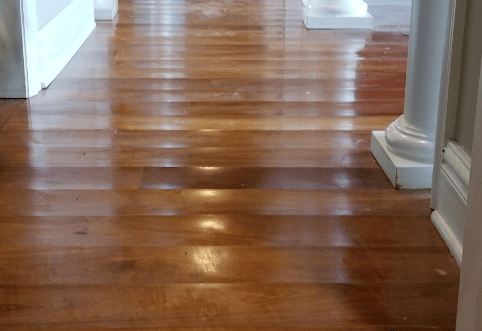
Timber floorboards show cupping, with a visibly uneven surface due to water damage.

Before diving into water damage, it’s essential to understand that ‘timber flooring’ refers to solid timber and engineered timber products. Having worked with both, I can tell you that each responds differently to water exposure because of their anatomy.
- Solid timber flooring is milled from a single piece of timber
- Engineered timber combines actual timber layers with specialised core materials
Understanding Water Damage in Timber Flooring
Common Causes
In my experience working with flooring solutions, water damage rarely comes from the dramatic events you might expect.
While flood damage indeed happens, I more commonly see damage from:
- Leaking pipes beneath the surface
- Overflowing pet water bowls
- Excessive mopping or cleaning
- Rising dampness from subfloor issues
- Appliance malfunctions
- Indoor plant overwatering
- High humidity levels (particularly relevant in Queensland)
- Air conditioning condensation
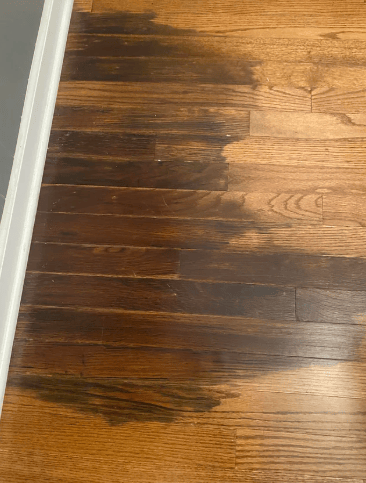
Dark discolouration on timber floorboards caused by moisture seeping up from a wet subfloor.
What Causes Water Under Floorboards?
Finding water under floorboards is more common than many homeowners realise. Sometimes the moisture isn’t coming from spills on the surface at all; it can be coming from underneath the floor.
Common causes include:
- Leaking pipes beneath the subfloor
- Poor drainage around the house
- Rising damp from the ground
- Appliance leaks from dishwashers or washing machines
- Stormwater entering the property
- Poor subfloor ventilation allowing moisture to build up

Water trapped under floorboards can come from plumbing leaks, drainage problems, or poor subfloor ventilation.
When water sits under timber floors for extended periods it can cause swelling, mould growth, and structural damage to floorboards.
Signs of Water Damage
When homeowners ask me how to remove moisture from floor surfaces, I help them identify the warning signs. Here are the key indicators I look for.
Immediate Signs:
- Cupping or crowning of boards
- Dark staining at board edges
- A musty smell
- Squeaking or movement when walked on
- Springiness underfoot
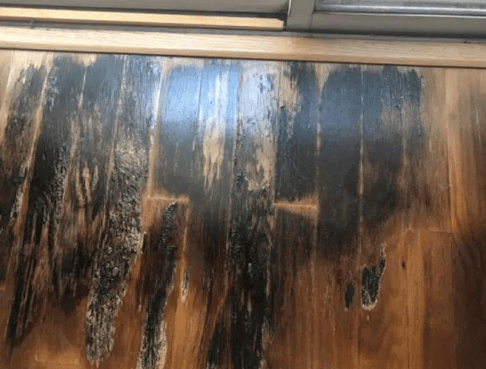
Timber floorboards with visible mould growth and blackened areas from severe water damage.
Progressive Signs:
- Mould growth (often starting at board edges)
- Separation between boards
- Change in floor level
- Discolouration that worsens over time
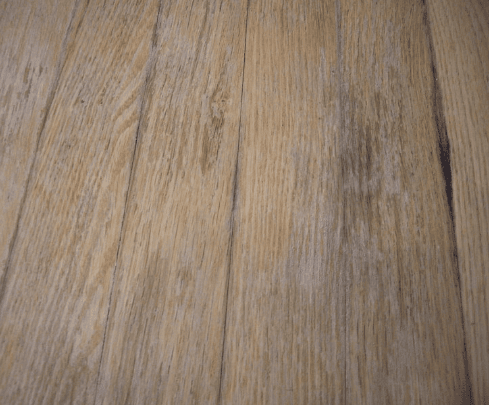
Water-damaged timber floorboards showing patches of discolouration and fading.
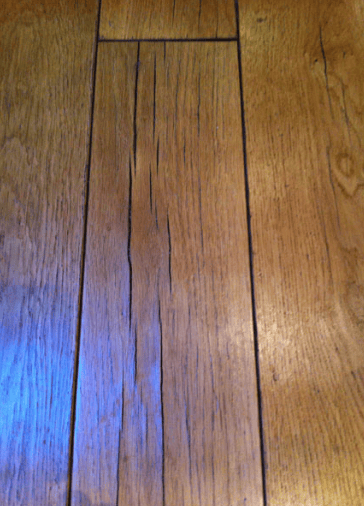
Wooden floorboards split and separate along the edges due to water exposure.

And yes, for those wondering, “Can yellow tongue flooring get wet?”. While it’s designed to resist moisture to some degree, prolonged exposure to water will eventually cause problems, especially if it’s not sealed correctly.
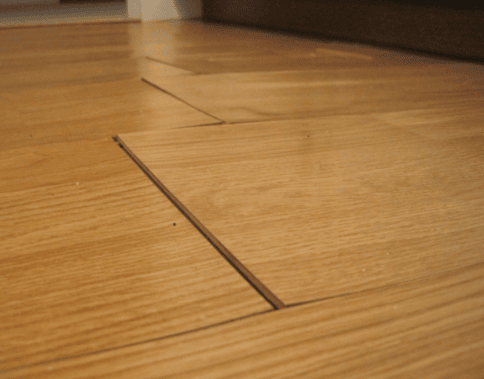
Floorboards with misaligned edges and gaps caused by moisture damage
Water Damage in Yellow Tongue Flooring
In many Australian homes, the structural subfloor beneath timber flooring is yellow tongue particleboard.
This material is widely used in modern construction, but like most engineered boards, it can be vulnerable to moisture.
If yellow tongue flooring gets wet, several problems can occur:
- Swelling of the particleboard edges
- Loss of structural strength
- Mould growth in the subfloor
- Uneven surfaces that affect the finished flooring above

Moisture can cause yellow tongue particleboard to swell, creating uneven subfloors that affect flooring installed above.
I’ve seen plenty of jobs where water sat on yellow tongue subfloors during construction. The slab had more dips than a BMX track, and once the particleboard swelled it created problems for every floor covering installed on top.
If moisture damage occurs, the affected sheets often need to be replaced before the finished flooring can be installed properly.
How Serious Is Water Damage to Floorboards
Assessing water-damaged floorboards isn’t just about what you can see on the surface. When evaluating water under floorboards, we need to consider several critical factors that I’ve seen make or break a restoration project.
Type of Timber and Installation
Having worked extensively with different timber species across Australia, I can tell you that each responds differently to moisture.
Some key considerations:
- Solid hardwoods tend to be more resilient but can warp significantly
- Engineered timber might show less immediate damage but can delaminate
- Floating floors tend to show damage more quickly than direct-stick installations
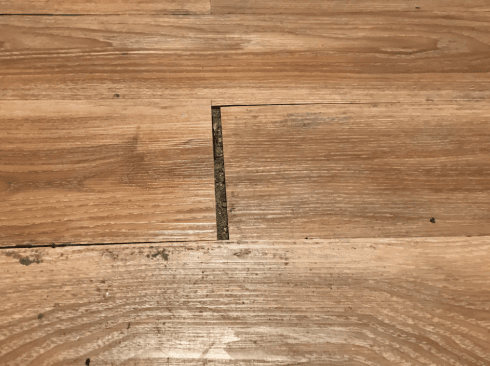
Floorboards with noticeable gaps and misalignment caused by prolonged water damage.
How Long Water Sits on Floors Matters
Through my experience, I’ve observed these crucial timing elements:
- Duration of water exposure
- Time elapsed before discovery
- Type of water (clean, grey, or black)
- Ambient temperature and humidity
- Subfloor construction and condition
How to Fix Water Damaged Wood Floors
If you discover water damaged floorboards, acting quickly can often prevent permanent damage.
The basic repair process usually involves:
- Identifying and stopping the source of the water
- Removing any standing water from the floor surface
- Drying the floor thoroughly using fans or dehumidifiers
- Checking for cupping, crowning, or swelling in the boards
- Sanding minor damage or replacing boards that are permanently warped
If water has been sitting under floorboards, professional moisture testing may be needed before repairs begin.
How to Fix Swollen Wood Floors
Swelling occurs when timber absorbs moisture and expands. This can cause boards to cup, crown, or lift along the edges.
To fix swollen wood floors, the first step is always removing the source of moisture.
Once the floor has fully dried:
- Minor swelling may be sanded back
- Loose boards can sometimes be refastened
- Severely warped boards usually need replacement
Trying to sand or repair floors before they are completely dry can make the damage worse.

Immediate Response Guide To Water-Damaged Flooring
More in depth:
First 24 Hours – Critical Actions
When people ask me how to fix water-damaged floorboards, I emphasise that time is crucial.
Here’s my tried-and-tested emergency response protocol:
Stop the Water Source
- Identify and stop any active leaks
- Turn off the water supply if necessary
- Remove any standing water immediately
Initial Assessment
- Document the damage (photos are essential)
- Mark the extent of affected areas
- Check for water migration beyond visible areas
Begin Drying Process
For those wondering how to remove moisture from floor surfaces effectively:
- Use commercial-grade dehumidifiers
- Position fans strategically
- Remove affected skirting boards if necessary
- Create air circulation under boards where possible
Restoration Process and Cost Considerations
The Professional Approach
Properly fixing water-damaged floorboards requires a systematic approach and often requires partial or total assistance from industry experts.
Here’s what they can do and estimated associated costs, which can vary for each situation:
Assessment and Planning
Moisture Level Testing
- Surface moisture readings
- Subfloor moisture content
- Relative humidity assessment
- Core sampling when necessary
Structural Assessment
- Subfloor integrity check
- Joist condition evaluation
- Acoustic membrane inspection (particularly crucial in multi-res buildings)
- Assessment of water-damaged swollen wood floor areas
Professional Restoration Steps
Controlled Environment Creation
- Industrial dehumidification setup
- Temperature regulation
- Airflow management
- Humidity monitoring systems
Systematic Drying
- Targeted drying zones
- Moisture content monitoring
- Subfloor ventilation enhancement
- Progressive moisture mapping
Cost Breakdown
Emergency Response (First 48 Hours)
- Professional assessment: $250-$500
- Emergency water extraction: $400-$800
- Initial drying equipment setup: $500-$1,000
Restoration Costs
- Minor surface restoration: $50-$80 per m²
- Partial board replacement: $90-$140 per m²
- Full section replacement: $140-$250 per m²
- Subfloor remediation: $60-$120 per m²
Additional Cost Considerations
- Acoustic membrane replacement: $40-$80 per m²
- Moisture barrier installation: $30-$50 per m²
- Skirting board replacement: $15-$30 per linear metre
- Post-restoration testing: $200-$400
Prevention Strategies and Future-Proofing
Over the years, particularly in Queensland’s challenging climate, I’ve developed rock-solid strategies to prevent water damage to floorboards.
Acclimatisation of your product is critical for timber flooring before you begin to install. We recommend you read this blog on acclimatising timber floors to learn more.
Daily Practices
- Install quality entrance matting (a small investment I’ve seen save thousands in floor damage)
- Use drip trays under plants (trust me, I’ve seen too many floors ruined by enthusiastic plant parents)
- Keep air conditioning units adequately maintained so there is no dripping onto flooring
- Monitor humidity levels (significant in Queensland)
- Regular inspection of plumbing fixtures
- Cleaning spills from kids and pets quickly
Strategic Solutions
Having worked extensively with moisture issues in multi-res developments, I recommend:
- Professional-grade moisture barriers between flooring and subfloor
- Adequate subfloor ventilation
- Strategic drainage solutions
- Regular maintenance schedules
Maintenance Best Practices
- Inspect your floor regularly for signs of moisture, including monthly checks for signs of water damage on hardwood floors
- Professional assessments as you can afford them if you believe something is wrong
- Immediate investigation of any changes in floor level or appearance
- Professional Maintenance – We recommend the “light cutback” option every 3-5 years to replenish the flooring found in this article refinishing hardwood floors.
- Preventive treatments in high-risk areas
Revolutionary Engineered Flooring
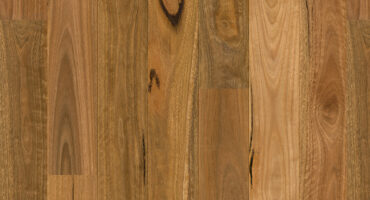
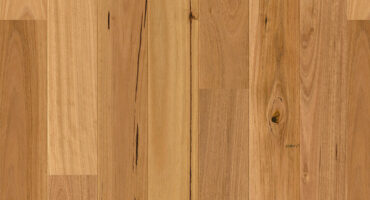
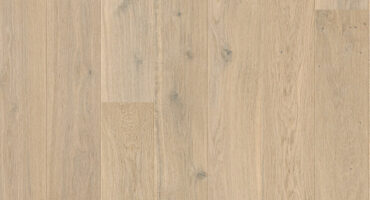
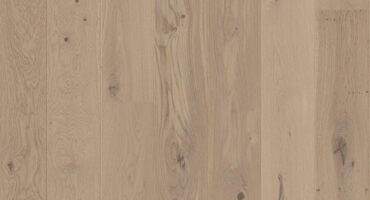
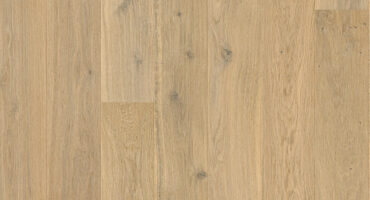
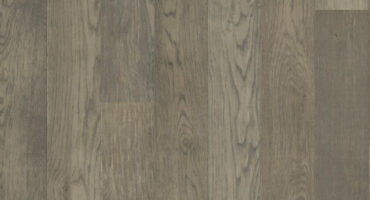
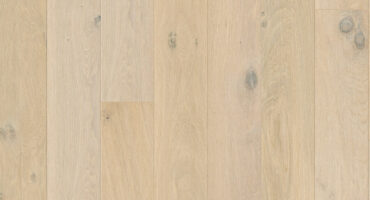
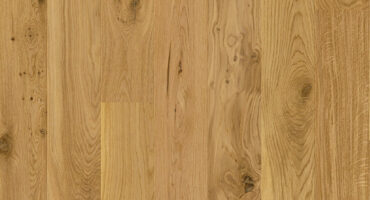
The industry has come a long way since I started. We’re now seeing revolutionary products like Quick-Step Amato by Premium Floors – the first genuinely watertight timber floor I’ve encountered in my 25 years of experience. It’s a game-changer for areas where we traditionally couldn’t use timber.
Having worked extensively with moisture issues, It’s the first authentic timber floor I’ve seen that’s genuinely watertight.
What makes it unique:
- Complete waterproof surface suitable for kitchens and bathrooms
- Available in both European oak and Australian species
- Flexible installation options (floating or direct stick)
- Ideal for smaller spaces like bathrooms and hallways
- Combines real timber aesthetics with modern waterproofing
Best Waterproof Flooring Options for Australian Homes
If water damage has severely affected timber floorboards, replacement flooring may be necessary.
In many cases, repairing the existing boards simply isn’t possible once moisture has caused swelling, warping, or structural deterioration.
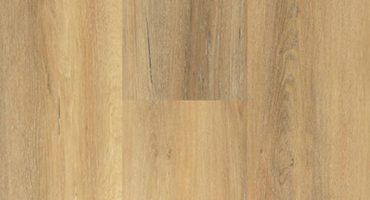
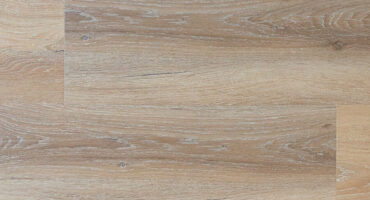
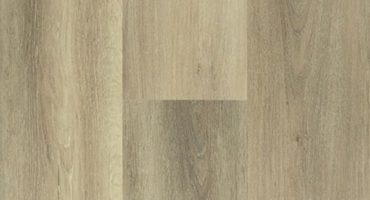
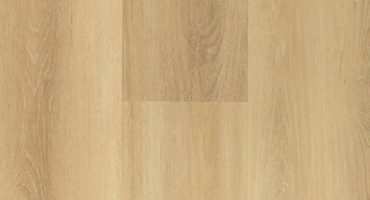
Many homeowners in this situation choose modern water-resistant/proof flooring options that handle moisture far better than traditional timber. After spending years developing hybrid flooring solutions and seeing the evolution of water-resistant technologies, here are my top recommendations for flooring options when water damage requires the original floorboards to be replaced.
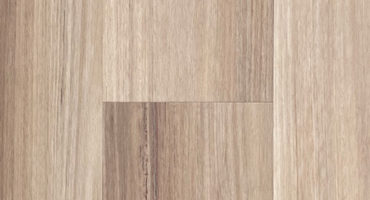
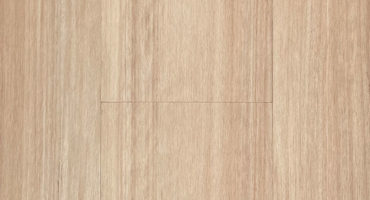
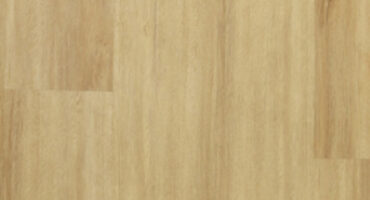
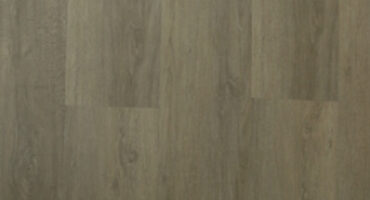
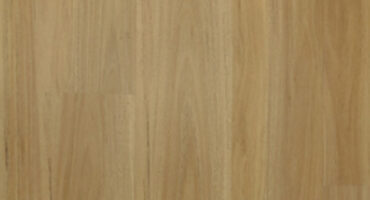
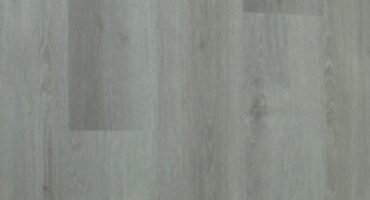
Hybrid Flooring
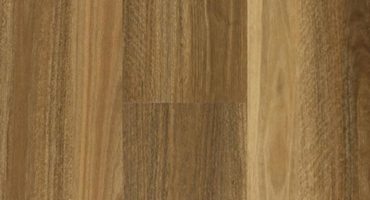
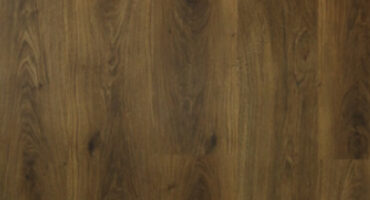
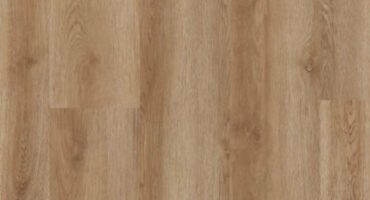
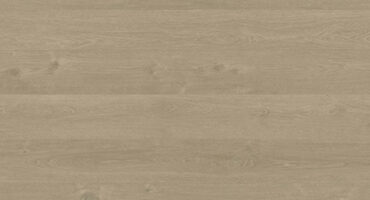
Resiplank Summit Hybrid by Terra Mater Floors


High-Performance Laminate
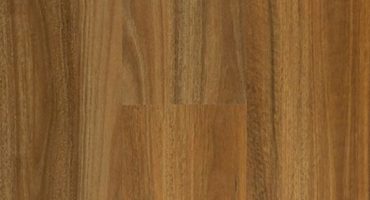
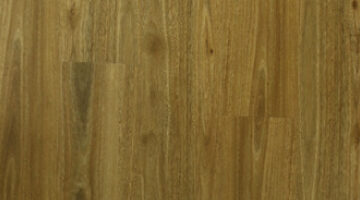
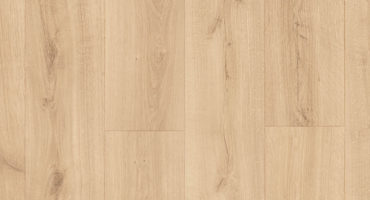
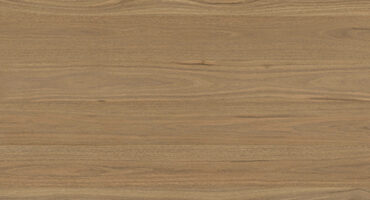
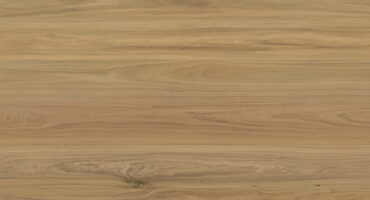
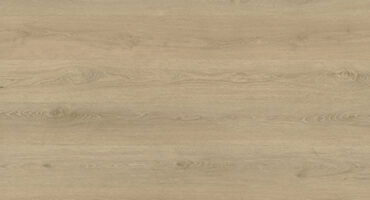
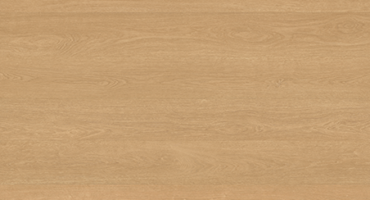
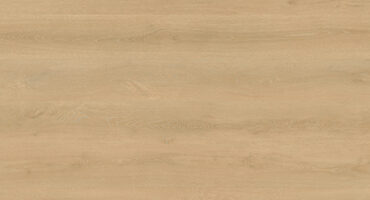
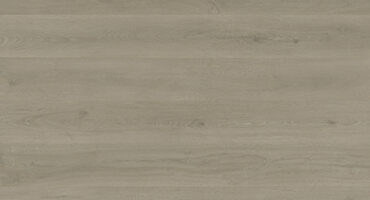
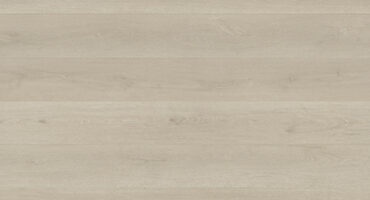
Quick-Step Majestic Laminate by Premium Floors
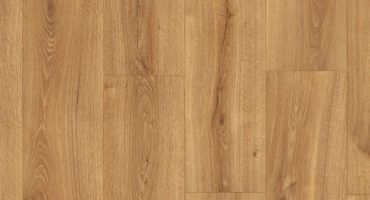
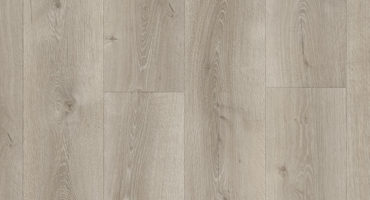
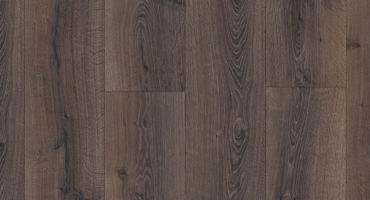
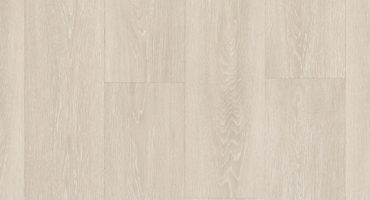
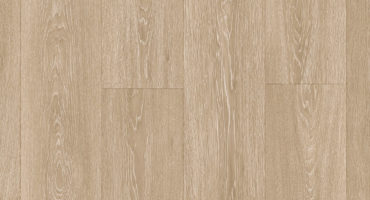
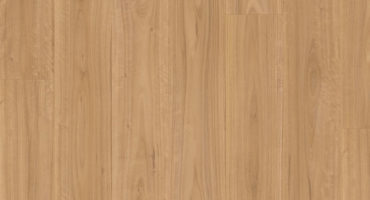
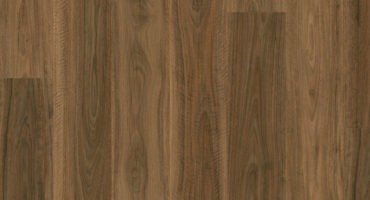
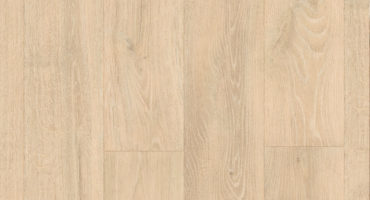
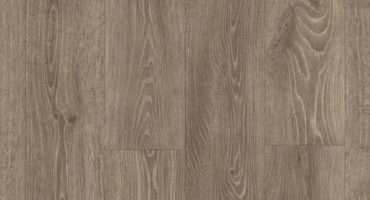
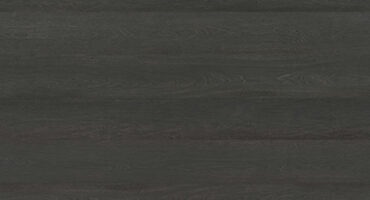
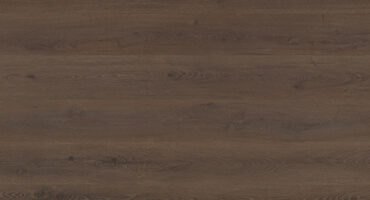
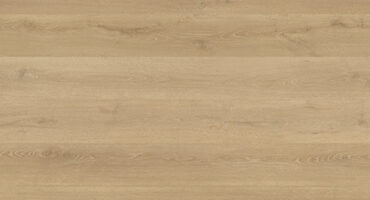
Shield Everlast Laminate from Clever Choice
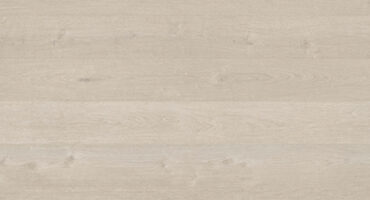
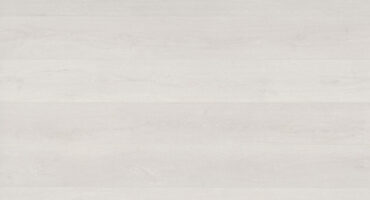
Vinyl Plank Flooring
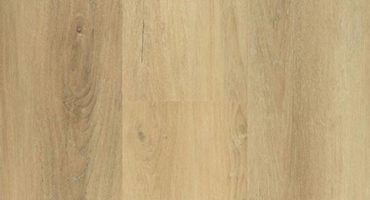
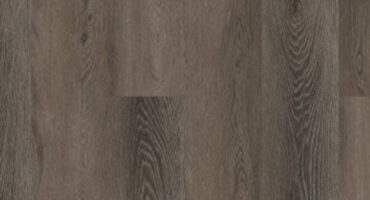
Naturale Planks 5.0 by Imagine
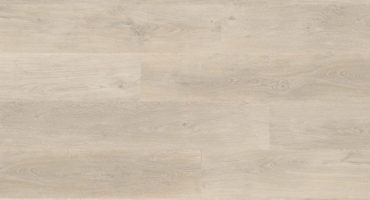
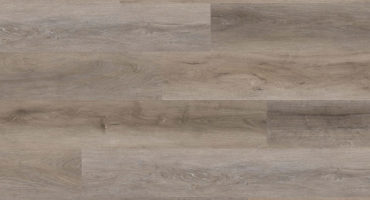
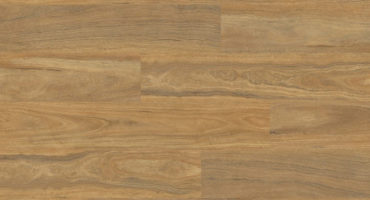
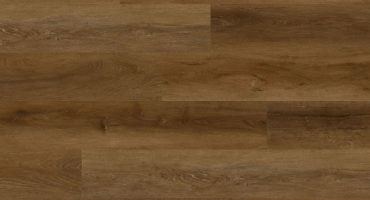
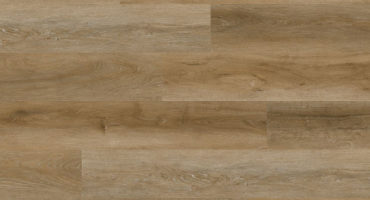

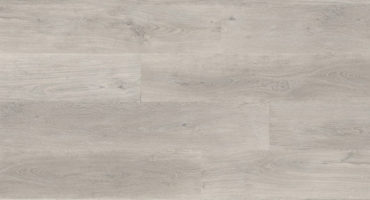
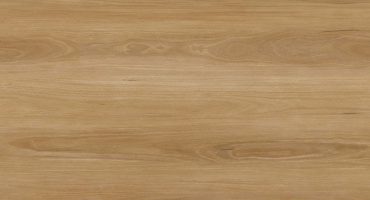
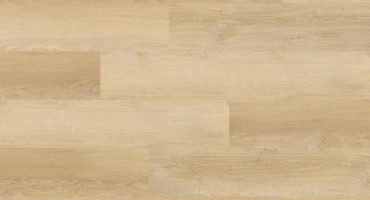
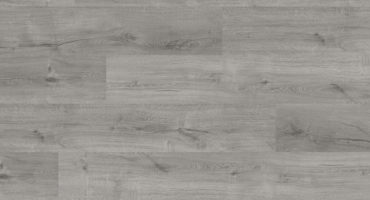
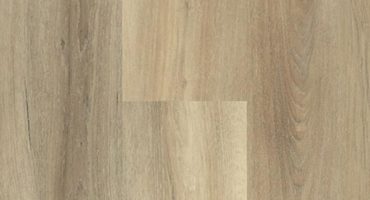
Resiplank Adore by Terra Mater Floors
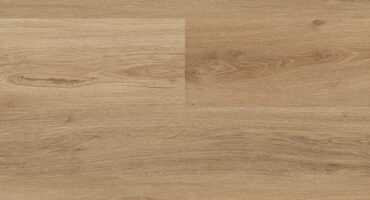
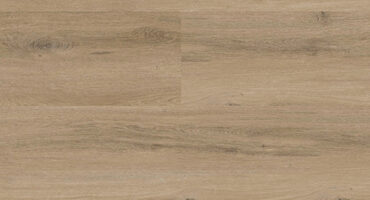
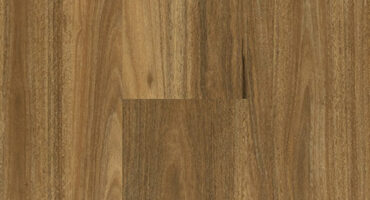
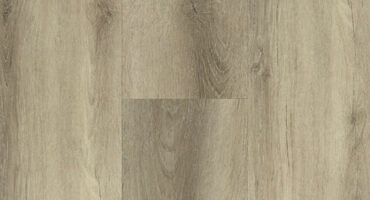
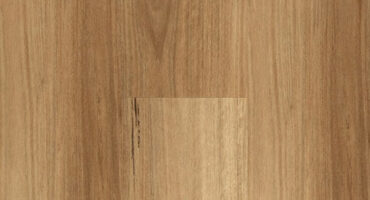
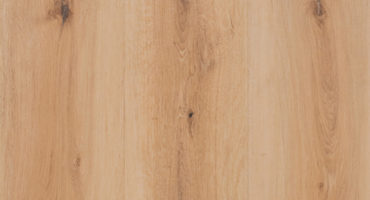
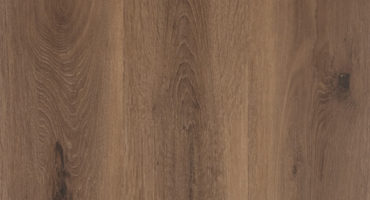
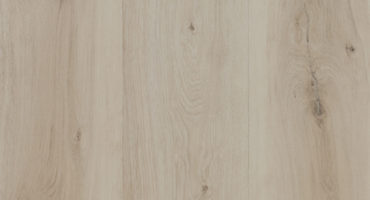
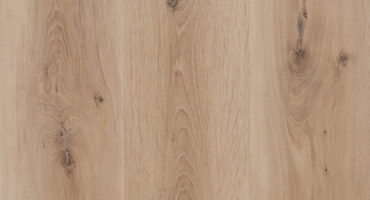
Having worked with these products across numerous Queensland projects, I can tell you that each offers excellent water resistance while providing different benefits in terms of durability, aesthetics, and acoustic performance.
Managing water-damaged floorboards is all about quick action and professional assessment. The key is catching issues early; those initial signs of water damage on hardwood floors can be subtle, but addressing them promptly can save thousands in repairs.
Whether dealing with water under floorboards or trying to figure out how to fix a water-damaged swollen wood floor, remember that prevention is always better (and cheaper) than cure.
Water Damaged Floorboards FAQ
While water-damaged laminate flooring can be repaired by replacing affected boards, it’s not always that simple. Successful restoration depends on several factors.
First, we need to identify and fix the water source. Then, critically, we must assess both the visible damage and the subfloor’s condition. Many homeowners don’t realise that even if surface boards look okay, moisture in the subfloor can cause problems months later. Board replacement might suffice for minor damage, but extensive water damage often requires complete replacement with a more water-resistant option like hybrid flooring.
When water gets under hardwood floors, immediate professional intervention is crucial. I’ve seen too many DIY attempts make the situation worse.
The process requires:
- Professional moisture assessment
- Controlled drying of the subfloor
- Proper acclimatisation before reinstallation
- Expert restoration techniques
While tiles remain the most waterproof option for wet areas, the flooring industry has made remarkable advances in water-resistant technologies. However, it’s not as simple as choosing the most waterproof option – you need to consider your specific situation.
For timber-look options, I recommend considering these flooring types in order of water resistance:
- New Generation Waterproof Engineered Timber
The latest generation of engineered timber flooring combines authentic timber surfaces with waterproof core technology, making it suitable for most home areas, including kitchens. Be sure to ask your retailer about this as it is very new to the market. - Hybrid Flooring
Combining the best elements of laminate and vinyl, hybrid floors offer excellent water resistance and durability. These 100% waterproof floors are ideal for families and high-traffic areas. - Luxury Vinyl Planks
Made entirely from synthetic materials, vinyl planks provide superior water resistance and are perfect for areas prone to spills. However, water can still seep through joins to affect the subfloor. - Water-Resistant Laminate
Modern laminate flooring has evolved significantly, with many options now featuring enhanced moisture resistance through improved core materials and sealing technology.
The key is understanding that water resistance isn’t just about the surface material. Proper installation and subfloor preparation are equally crucial for long-term protection. In my experience, even the most waterproof flooring can fail if not installed correctly with appropriate moisture barriers and sealing.
Water damage recovery depends greatly on the type of bamboo. Strand-woven bamboo is more resilient than traditional bamboo, but both can be salvaged if caught early. The key is immediate action and assessing the extent of swelling and discolouration.
Minor water exposure might be resolved through controlled drying and refinishing, but extensive damage often requires board replacement. Most importantly, bamboo needs proper acclimatisation before and after any water damage repair to prevent further issues.
While vinyl planks are marketed as waterproof, they’re not indestructible. In my experience, the biggest issue isn’t usually the planks themselves but water seeping through the seams to the subfloor. If you catch it early, vinyl planks can often be removed, the subfloor dried, and the same planks reinstalled a significant cost saving.
However, replacement is necessary if the planks have begun to curl or separate at the edges. One advantage of floating vinyl installations is that we can often replace just the affected area rather than the entire floor. Always check the warranty, though some manufacturers void coverage if water can sit for extended periods.
Yes, water damaged floorboards can dry out, but the outcome depends on how long the water has been present and how quickly the drying process begins.
If the moisture is removed within the first 24–48 hours, timber floors can often return to normal with minimal long-term damage. Fans, dehumidifiers, and good airflow can help draw moisture out of the boards and the subfloor.
However, if water sits for too long, the timber may cup, crown, or warp permanently. In those cases, the boards may need sanding, repair, or replacement.
The key is acting quickly and removing the moisture source first, otherwise the drying process won’t be effective.
Water under floorboards can evaporate over time, but relying on this alone is rarely a good idea.
Subfloors often have limited airflow, which means moisture can sit underneath the floor for long periods. When this happens, it can lead to:
- Mould growth
- Swollen floorboards
- Structural damage to yellow tongue subfloors
- Persistent musty smells inside the home
If you discover water under floorboards, it’s best to improve ventilation and actively dry the area using fans or dehumidifiers. In more serious cases, professional moisture testing may be needed to confirm the floor has fully dried.
In many cases, the first signs of water damage can appear within 24 to 72 hours.
Timber absorbs moisture quickly, which means the earliest symptoms often include:
- Cupping or lifting at board edges
- Dark staining along joints
- Swelling or uneven surfaces
More serious problems like mould, delamination, or structural movement may take several days or even weeks to become visible, particularly if the moisture is trapped in the subfloor.
This is why early inspection and drying are critical.
Warped timber floors can sometimes be repaired, depending on how severe the damage is.
If the boards are only slightly cupped or swollen, they may flatten out once the moisture has been removed and the floor has completely dried. Minor imperfections can then be corrected through sanding and refinishing.
However, if the timber has permanently distorted or the boards have separated, replacement of the damaged sections is usually the best option.
In my experience, the biggest mistake homeowners make is trying to sand the floor before it has fully dried, which can make the problem worse.
Laminate flooring is more sensitive to moisture than many other flooring types because of its fibreboard core.
If laminate flooring gets wet, the boards can swell and lose their shape. Unfortunately, once the core expands, it usually cannot return to its original form. Moisture is clearly one of Laminate floorings main problems.
Small spills that are cleaned up quickly may not cause permanent damage, but if water has been sitting for a while, the affected planks will normally need to be replaced.
Modern water-resistant laminate flooring performs much better than older products and can tolerate minor moisture exposure when installed correctly.
If water gets under hardwood floors, the first priority is to stop the source of the water immediately.
Next steps typically include:
- Removing any standing water
- Increasing airflow with fans or ventilation
- Using dehumidifiers to pull moisture out of the floor system
- Inspecting the subfloor for trapped moisture
In many cases, professional moisture testing is required to confirm that the floor and subfloor have fully dried before repairs begin.
While no natural timber floor is completely waterproof, several modern flooring options offer excellent water resistance.
Some of the most waterproof flooring options available today include:
- Hybrid flooring
- Waterproof laminate flooring
- Vinyl plank flooring
- Specialised engineered timber with waterproof cores
These products are designed to resist moisture penetration and are commonly used in kitchens, laundries, and other high-moisture areas where traditional timber flooring would normally struggle.
Bamboo flooring behaves similarly to timber when exposed to water.
If the moisture exposure is minor and the floor dries quickly, the boards may recover with little visible damage. However, prolonged exposure to water can cause swelling, cupping, and delamination.
Minor issues may be repaired through sanding or refinishing, but heavily damaged boards typically need replacement.
Vinyl plank flooring is generally more water resistant than timber or laminate, but water can still cause flooring problems if it reaches the subfloor.
Repair usually involves:
- Removing the damaged planks
- Checking the subfloor for trapped moisture
- Allowing the area to dry completely
- Installing replacement planks
One advantage of vinyl plank flooring is that individual boards can often be replaced without removing the entire floor.
About the Author
Clem Sturgess is a leading expert in hard flooring with over 25 years of industry experience. Specialising in acoustic solutions and water damage prevention, Clem has worked with Queensland’s biggest builders and pioneered solutions in multi-res developments. His unique background in acoustic engineering brings an unmatched perspective to floor protection and restoration.